Design work can move between quick sketches, color experiments, and the practical routines that keep a creative workspace moving. These 11 gift ideas offer options for different interests and gifting budgets.
Choose a focused addition to a working toolkit or a ready-to-use set for someone exploring new creative habits. Consider how the recipient likes to make, organize, and present their work.
11 Christmas Gift Ideas for Designers
U.S. Art Supply 162-Piece Mega Wood Box Artist Kit
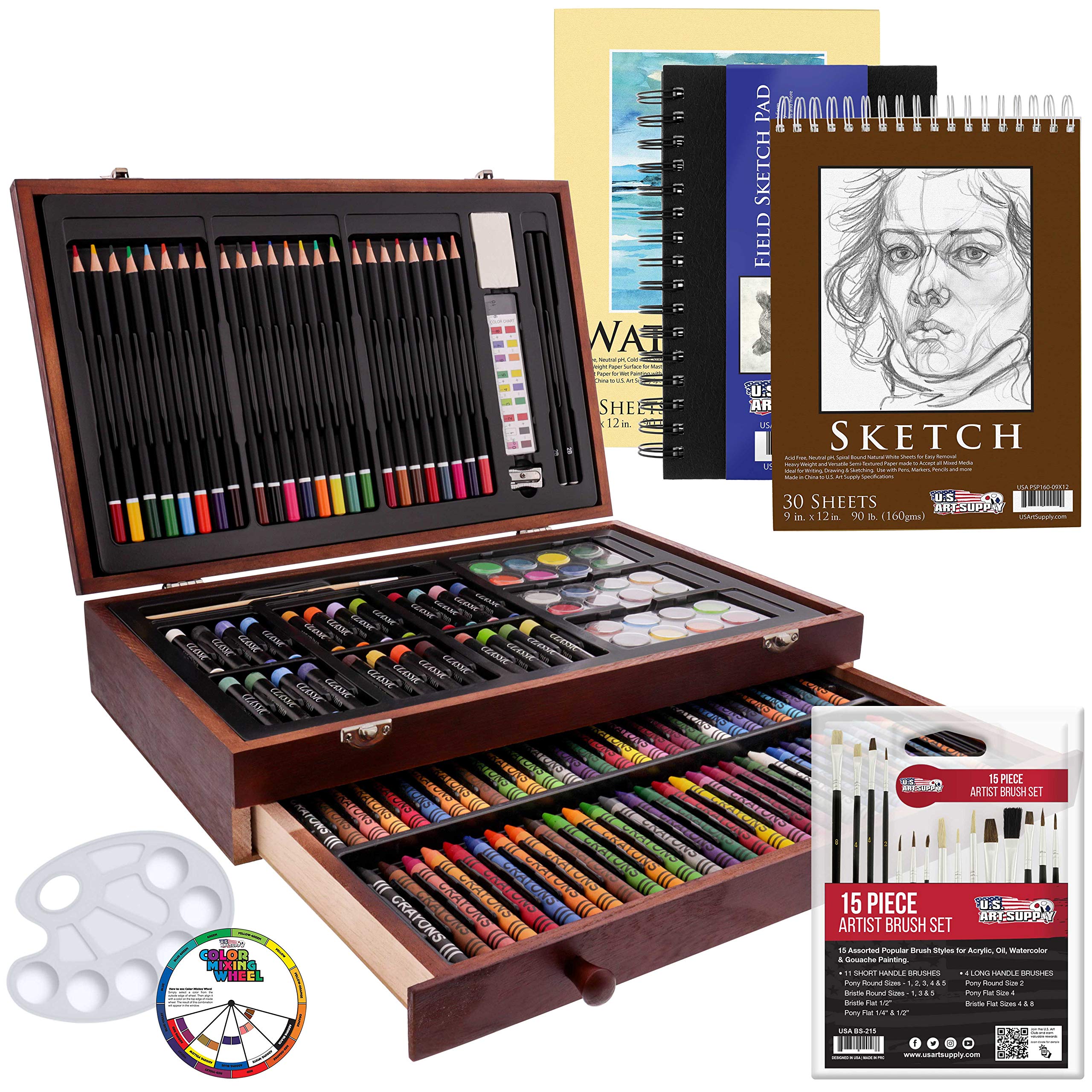
- The wooden case and storage drawer organize 142 pieces of art supplies.
- The kit includes watercolor, oil pastel, colored pencil, and crayon supplies.
- It also comes with watercolor paper, sketch paper, and a hardbound field sketchbook.
Best Gift For: A beginning artist or designer who would enjoy a broad set of drawing and painting materials in one case.

U.S. Art Supply X-Large Wooden Drawing Board
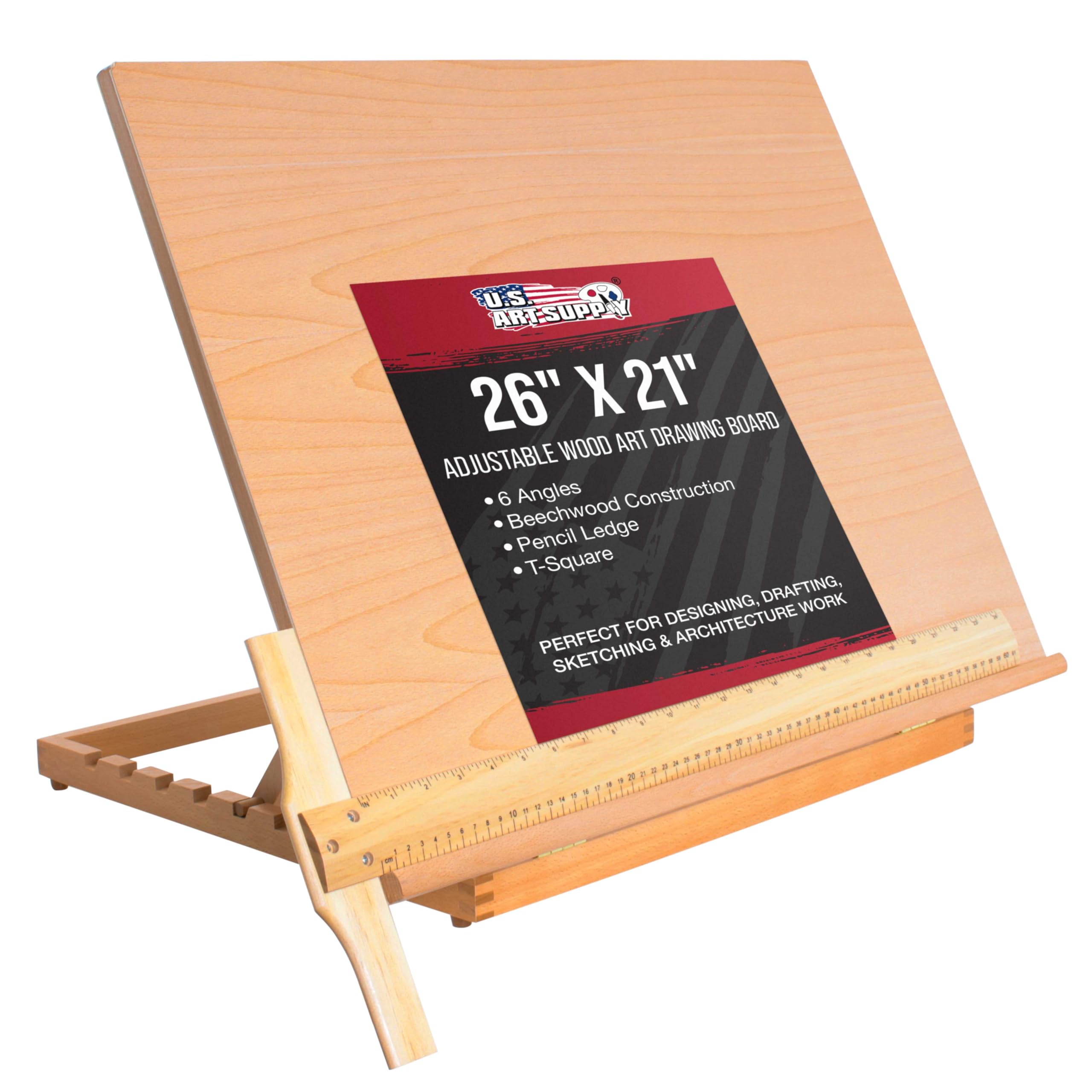
- The board offers a spacious surface for larger creative projects.
- Its six positions range from flat to upright for different working angles.
- A built-in ledge keeps pencils close at hand.
Best Gift For: A designer or illustrator who works at a table and wants an adjustable surface for drawing, painting, or drafting.
Best Choice Products Portable Wooden Artist Easel with 32-Piece Art Set
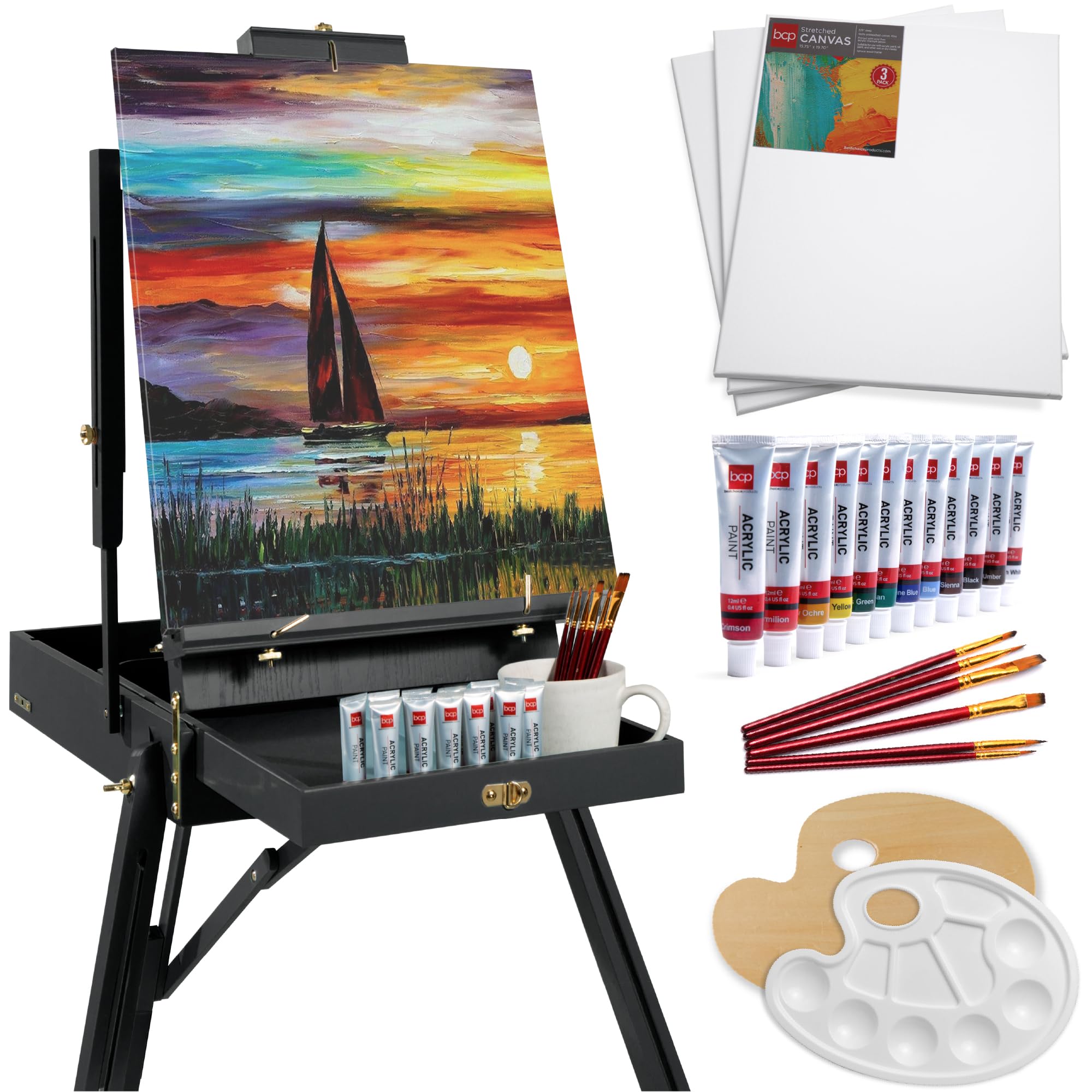
- The starter set includes brushes, canvas panels, acrylic paints, and palettes.
- The easel can stand as a tripod or fold down for tabletop use.
- It folds into a carryable package with storage and a shoulder strap.
Best Gift For: A traveling artist or an at-home painter
Primrosia 60 Dual Tip Marker Pens
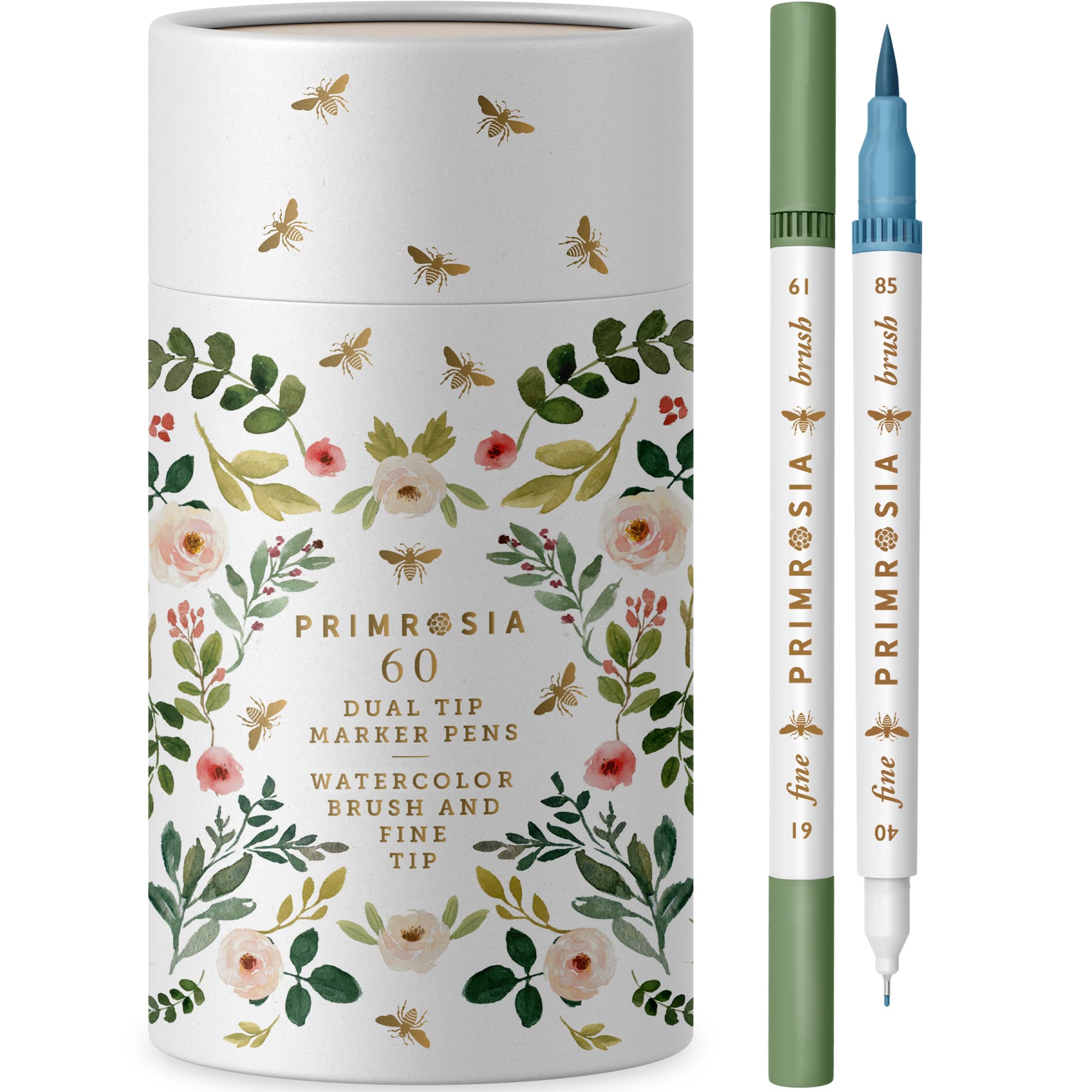
- Each marker has a brush tip for strokes and a fineliner for detail.
- The set offers a range of colors for solid fills and blending.
- Adding water to ink on suitable paper can create a watercolor effect.
Best Gift For: A designer or illustrator who enjoys sketching, lettering, calligraphy, or adding color to a journal.
U.S. Art Supply 12-Color Iridescent Acrylic Paint Set
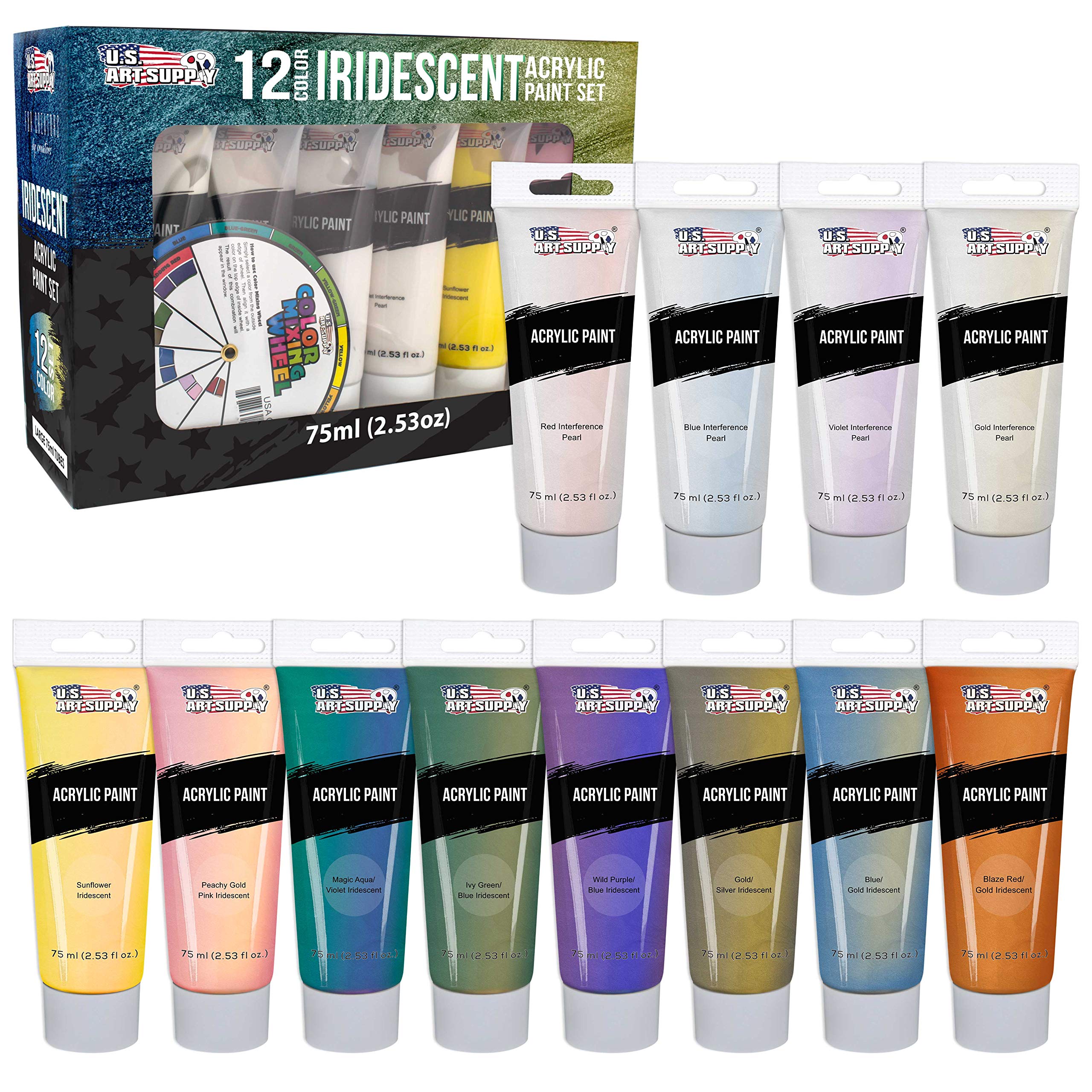
- The set has a dozen iridescent colors in large tubes.
- The paints create a shifting, luminous effect.
- The set includes a two-sided color mixing wheel.
Best Gift For: A designer or painter who likes experimenting with color-shifting effects across different art surfaces.
Mr. Pen Acrylic Paint Brushes, 10-Pack
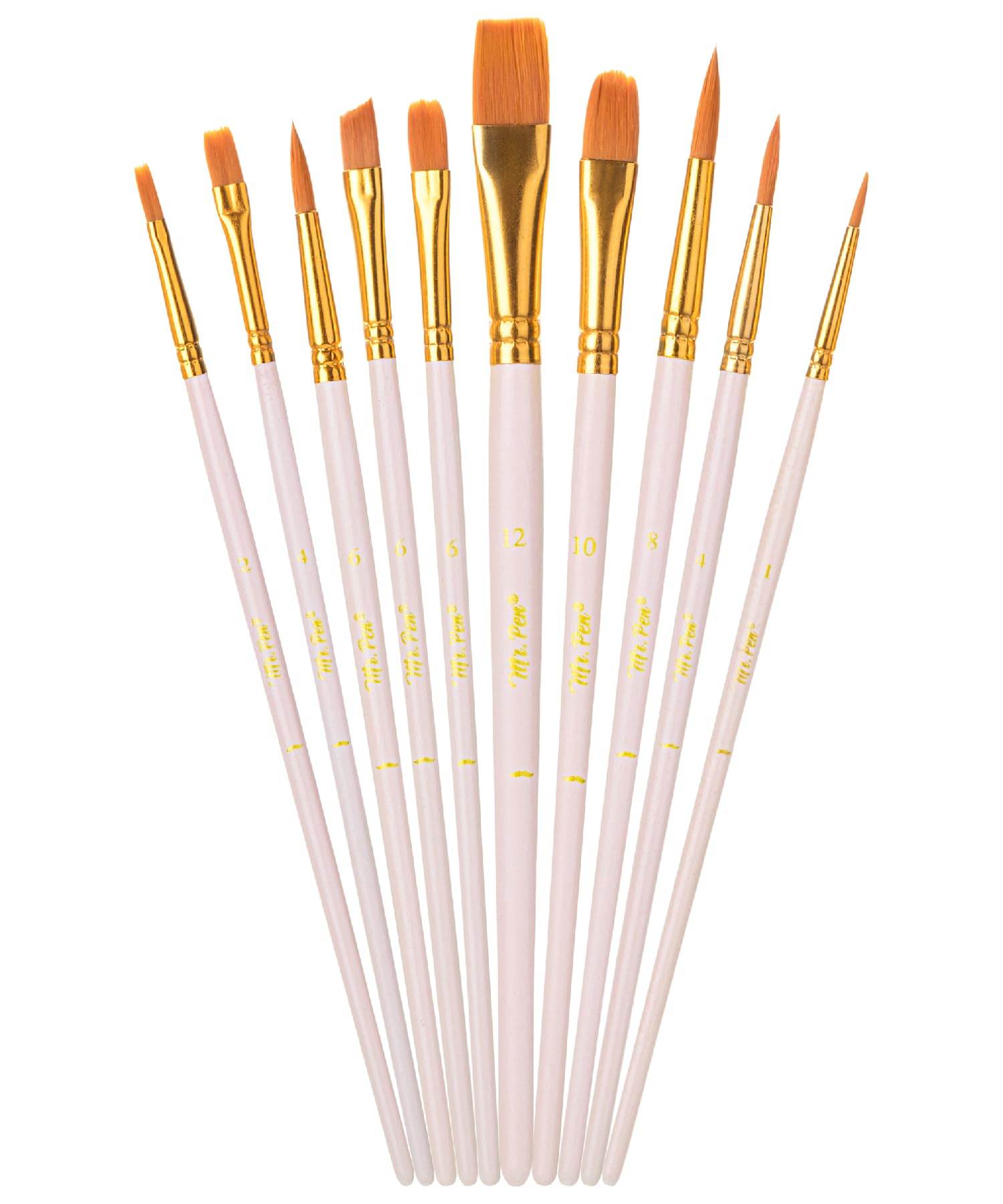
- The set has assorted brush shapes and sizes for varied painting tasks.
- The brushes have ergonomic wooden handles.
- Synthetic bristles are designed to maintain their shape with minimal shedding.
Best Gift For: A painter who could use a versatile brush set for detail work, washes, or shading.
10X Rectangle Magnifying Glass with Light
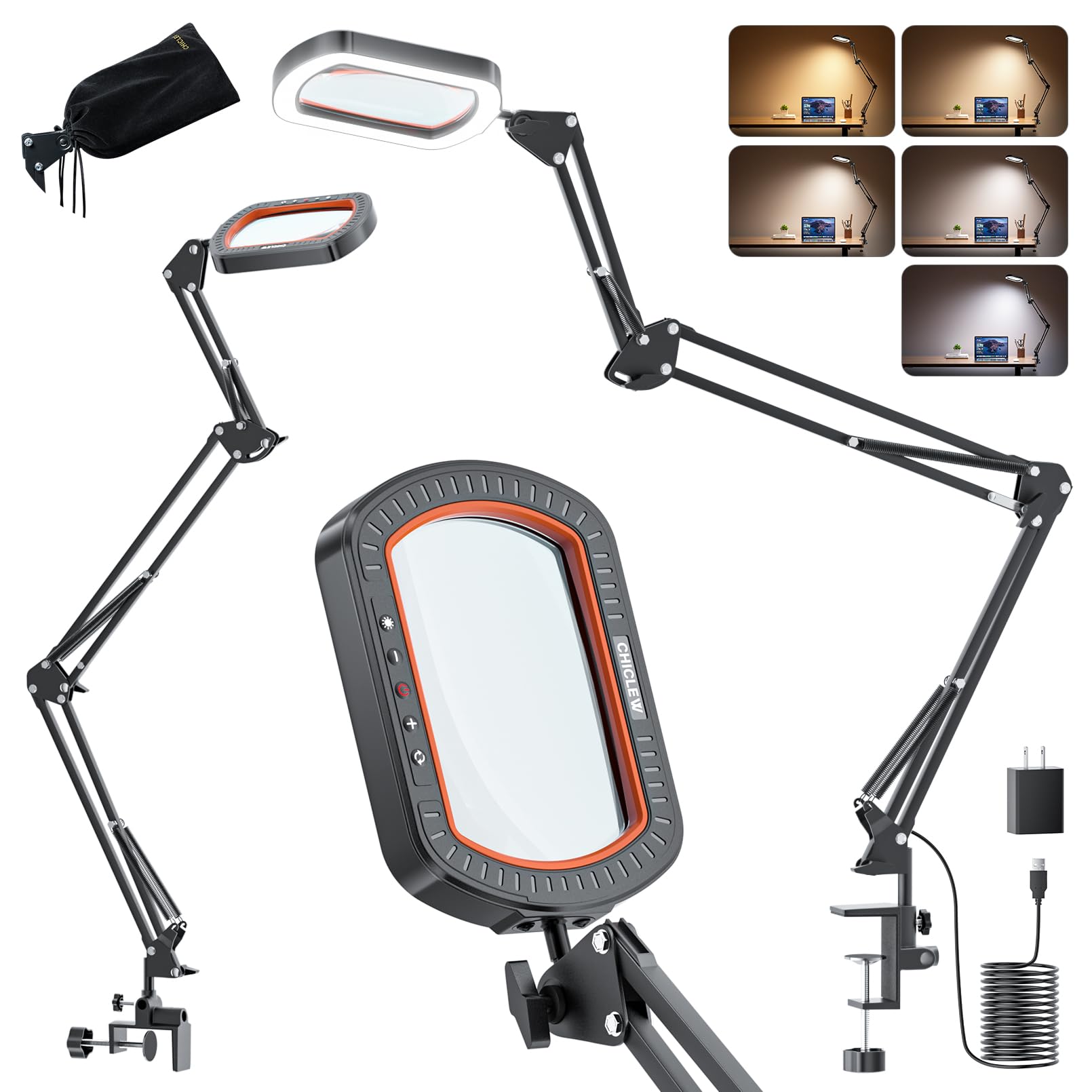
- The rectangular glass lens is designed to reduce edge distortion.
- The lamp has five color modes and adjustable brightness.
- A clamp and extendable arm allow flexible desk placement.
Best Gift For: A designer or reader who does close work or wants help seeing small print more clearly.
Clever Fox Dotted Journal 2.0 A5
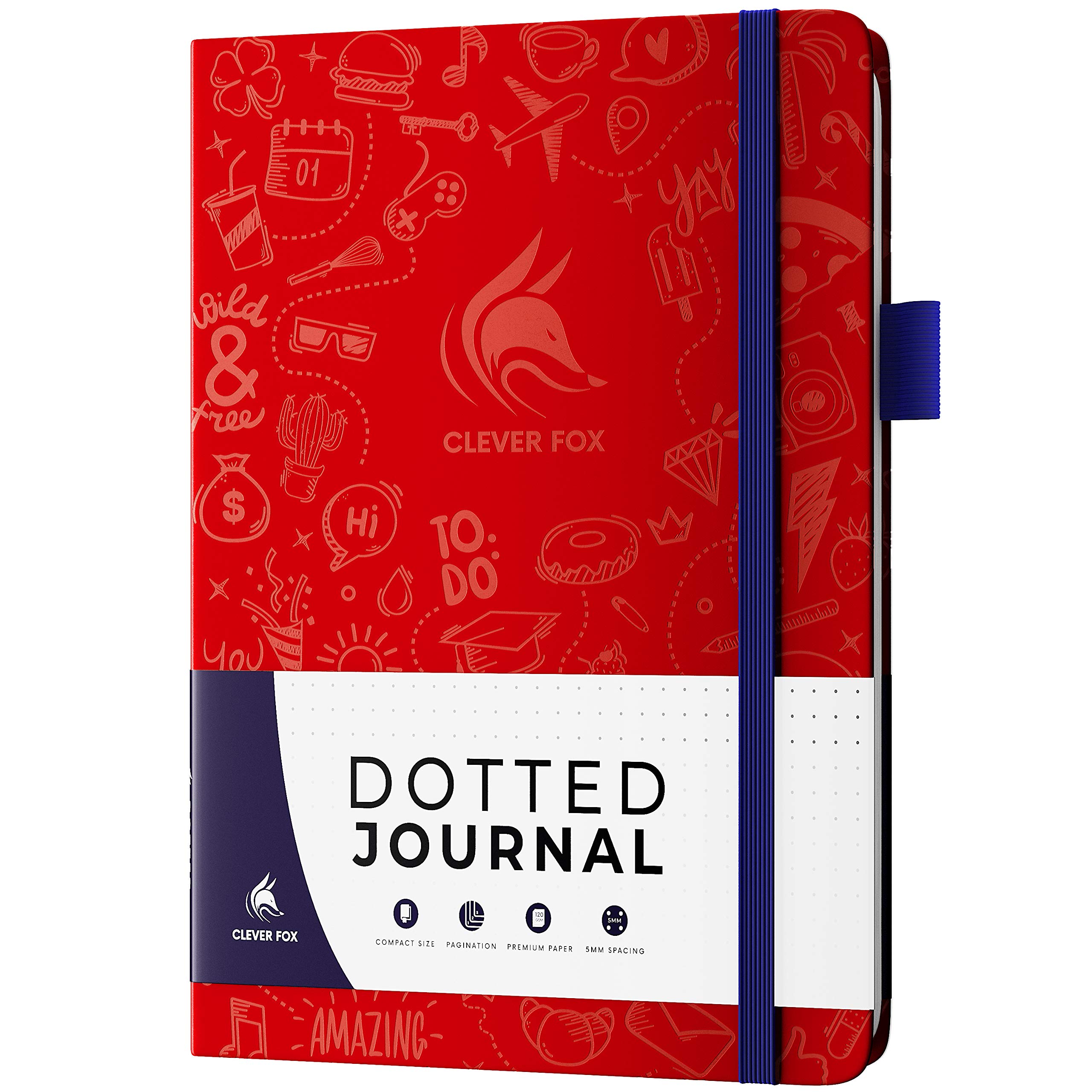
- The journal has a compact A5 format with a pen loop and pocket.
- Numbered dotted pages, a key, and an index help organize entries.
- Three ribbon bookmarks help mark useful pages.
Best Gift For: A designer who keeps project notes, plans ideas, or sketches in a compact notebook.
U.S. Art Supply 11"x14" Spiral Sketchbooks, 2-Pack
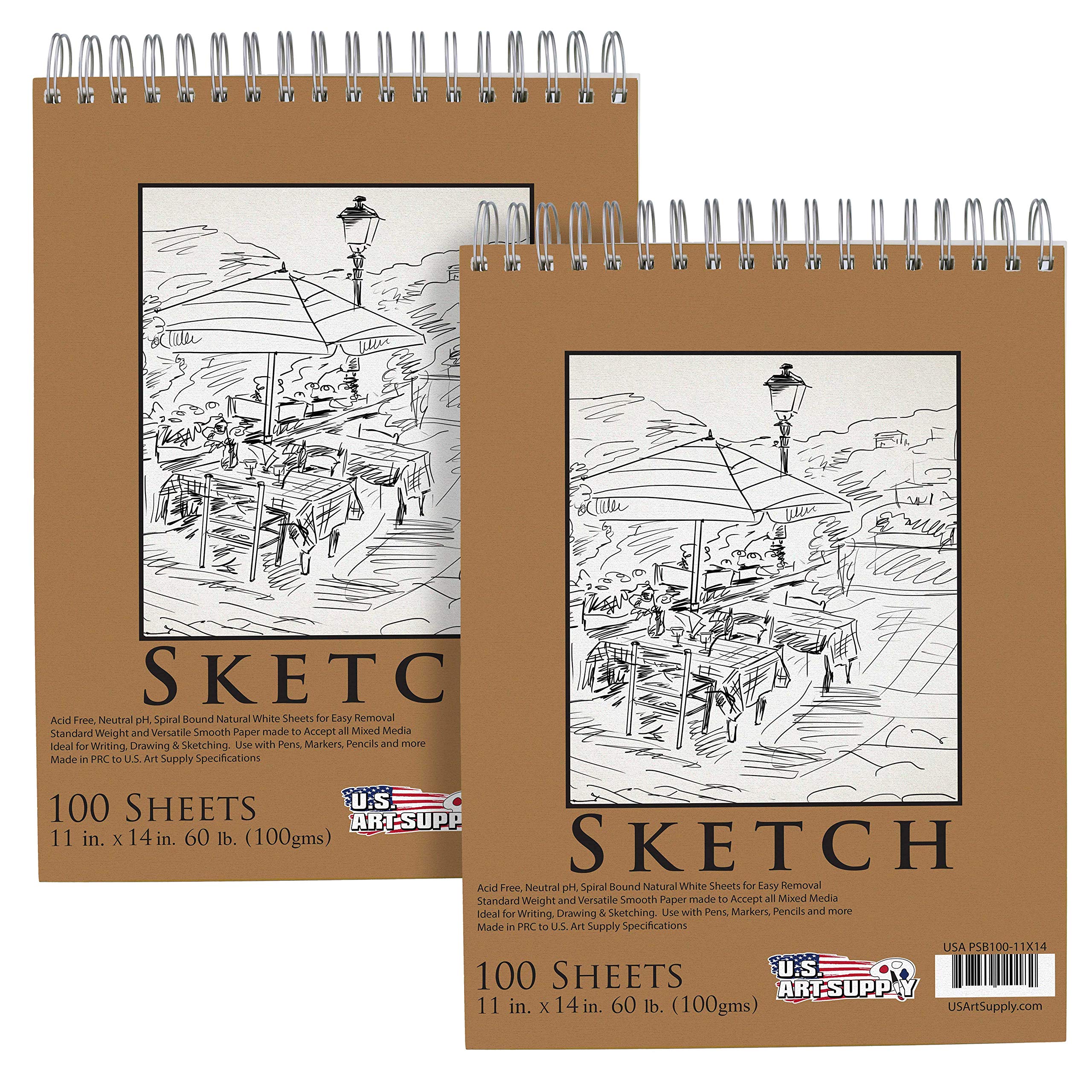
- The two pads provide 200 sheets total.
- The acid-free, smooth paper suits many dry media.
- Top spiral binding makes pages easy to turn.
Best Gift For: Aspiring artists, art students, and professional artists
Cross Classic Century 23KT Gold Plated Ballpoint Pen

- The pen has a slim shape and a metal body.
- Its mechanism uses a swivel action.
- It arrives in a gift box.
Best Gift For: A designer who appreciates a refined writing instrument for notes, journaling, or everyday use.
Phomemo D30 Label Maker with 3 Tapes
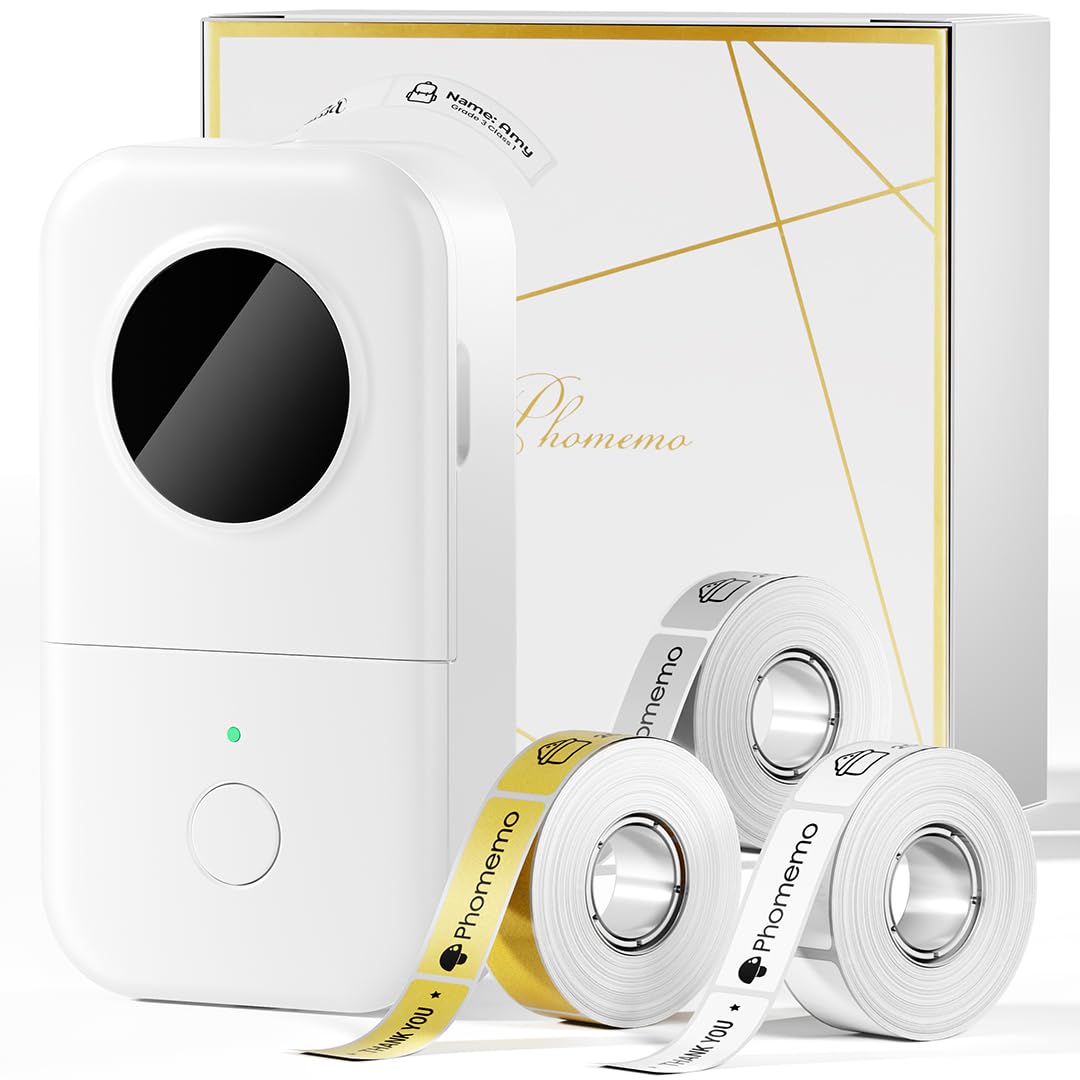
- The label maker comes with white, gold, and clear tapes.
- It prints without ink, toner, or ribbons.
- Templates offer symbols, frames, and font choices in the app.
Best Gift For: A designer who likes labeling studio supplies, files, cables, or personal items.
Choosing Christmas gifts for designers
Christmas gifts for designers work best when they match how someone actually spends creative time. A person who fills notebooks with rough concepts may appreciate paper and a pen, while someone who paints at home may value a surface, brushes, or a new color medium.
Think about the stage of a project where a gift could help. A broad kit can invite experimentation, while a single useful tool can complement an established routine.
If you are unsure, consider whether they draw, paint, write, or organize most often.
Workspace matters too. A portable easel suits someone who changes locations, while a tabletop board or lamp may be more useful for a settled desk.
For a small studio, compact supplies and a notebook can be easier to fit into daily life.
Set a comfortable budget and scope
Start with the kind of gift you want to give: a small addition to a toolkit, a substantial creative set, or a polished personal item. The selected ideas range from modest accessories to larger studio tools, so choose a level that feels comfortable rather than treating price as a measure of thoughtfulness.
A practical gift can be especially welcome when it fills a real gap. If you know the recipient has been using up paper or replacing brushes, a replenishment item may see regular use.
For an unfamiliar medium, a contained set offers a way to explore without committing to a whole workstation.
Check actual prices before buying and compare the contents with what the recipient already owns. Look closely at formats and quantities, and consider whether the gift needs any complementary materials.
That quick check helps keep a useful present within budget and avoids paying for duplicate supplies.
Personalize Christmas gifts for designers
Christmas gifts for designers feel more personal when they reflect an interest you have noticed: a favorite way of sketching, a habit of collecting color ideas, or a tidy approach to project notes. A short card naming that detail can make even a practical tool feel considered.
Presentation can extend the gift without adding much expense. Pair a sketchbook with a handwritten note about a shared idea, or wrap a small supply separately inside a reusable pouch.
For a larger item, a simple ribbon and a clear message about why you chose it can be enough.
If you are uncertain about a specific tool, ask a subtle question about their current project or preferred materials. Designers often have strong preferences about surfaces and mediums, so a clue from an ongoing project can help you choose a useful fit while preserving a little surprise.
Make a thoughtful choice for their practice
Use the recipient’s routine as your guide. A student managing classes and personal projects may value supplies that travel or help capture ideas quickly.
Someone with a dedicated studio may prefer a tool that supports longer sessions or keeps their desk organized.
Consider how much choice the gift leaves them. Consumable materials invite use straight away, while a premium writing item or workspace tool can become part of a familiar routine.
Either approach can be thoughtful when it respects the way the person works and the space they have available.
If the gift needs to work with existing materials or devices, check compatibility and dimensions before ordering. This matters especially for paper, paints, accessories, and app-connected tools.
When you are unsure, a practical format that fits their established habits can feel more considerate than a guess at a new specialty.
Plan ahead, or make a careful last-minute pick
For a planned gift, leave time to check the item details, compatibility, dimensions, and estimated delivery date before placing an order. Creative supplies can have format or medium preferences, and a quick review helps catch a mismatch while there is still time to choose another option.
When shopping late, choose a familiar category and keep the presentation intentional. A notebook, everyday writing tool, or basic supply can make a useful gift when it connects to the recipient’s work.
Check current delivery estimates directly, and have a simple card ready in case you need a local alternative.
A last-minute present can still feel personal if you explain the thought behind it. Mention the project, habit, or creative interest that brought the gift to mind, and avoid promising that it will solve a particular workflow problem.
A warm note makes the choice feel deliberate even when the shopping window is short.