Whether they sketch between errands or spend long afternoons at a studio table, useful art gifts can make room for more creative time.
These 12 ideas cover supplies, work surfaces and small ways to keep materials organized, with options for different practices and gifting occasions.
12 Gift Ideas for Artists and Creative Makers
U.S. Art Supply 162-Piece Mega Wood Box Artist Kit
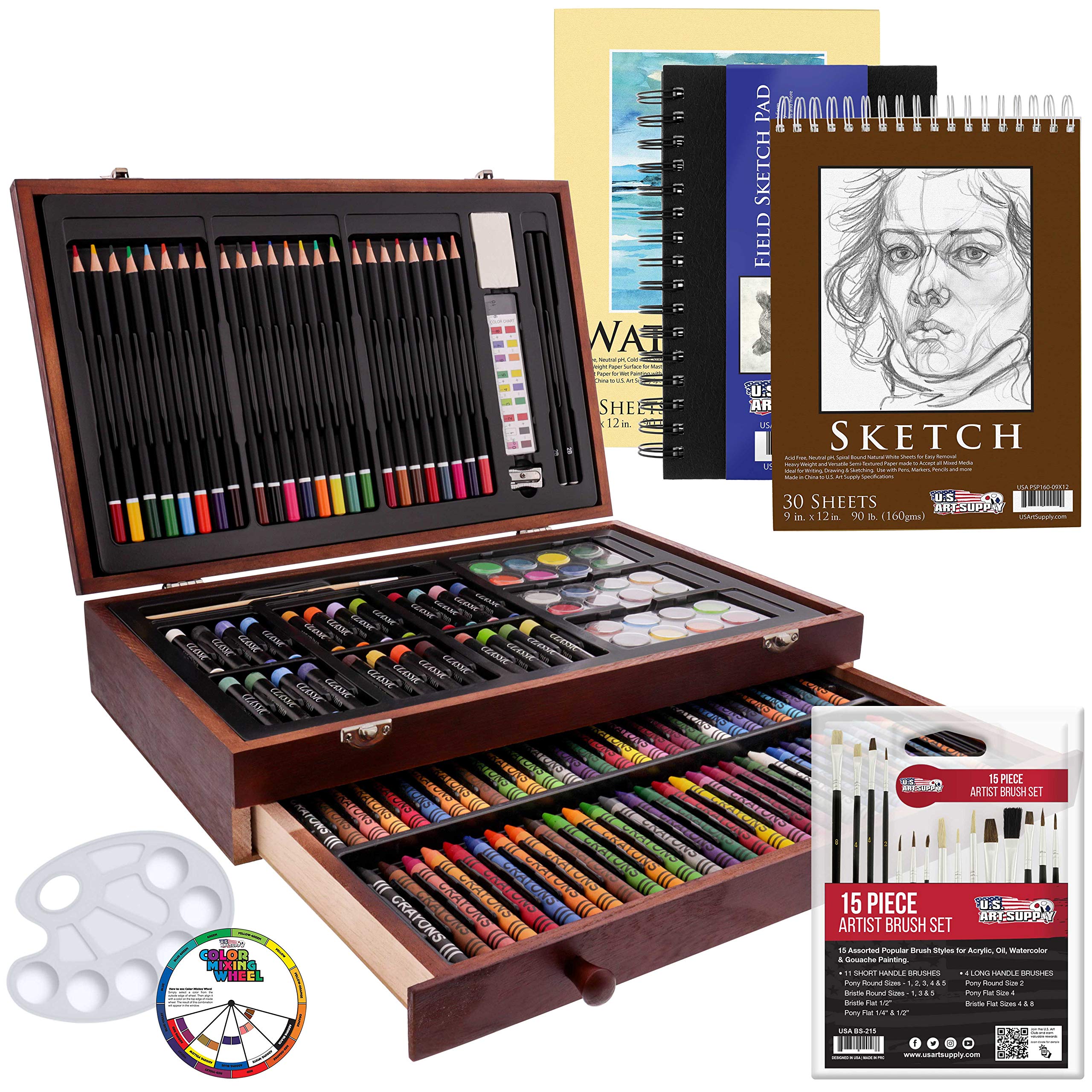
- The wooden case has compartments for keeping the included art supplies organized.
- The set includes watercolor paints, oil pastels, colored pencils and crayons.
- Paper pads and a hardbound field sketchbook are included.
Best Gift For: A beginning artist or student who would enjoy exploring several drawing and painting materials.

Primrosia 60 Dual Tip Marker Pens
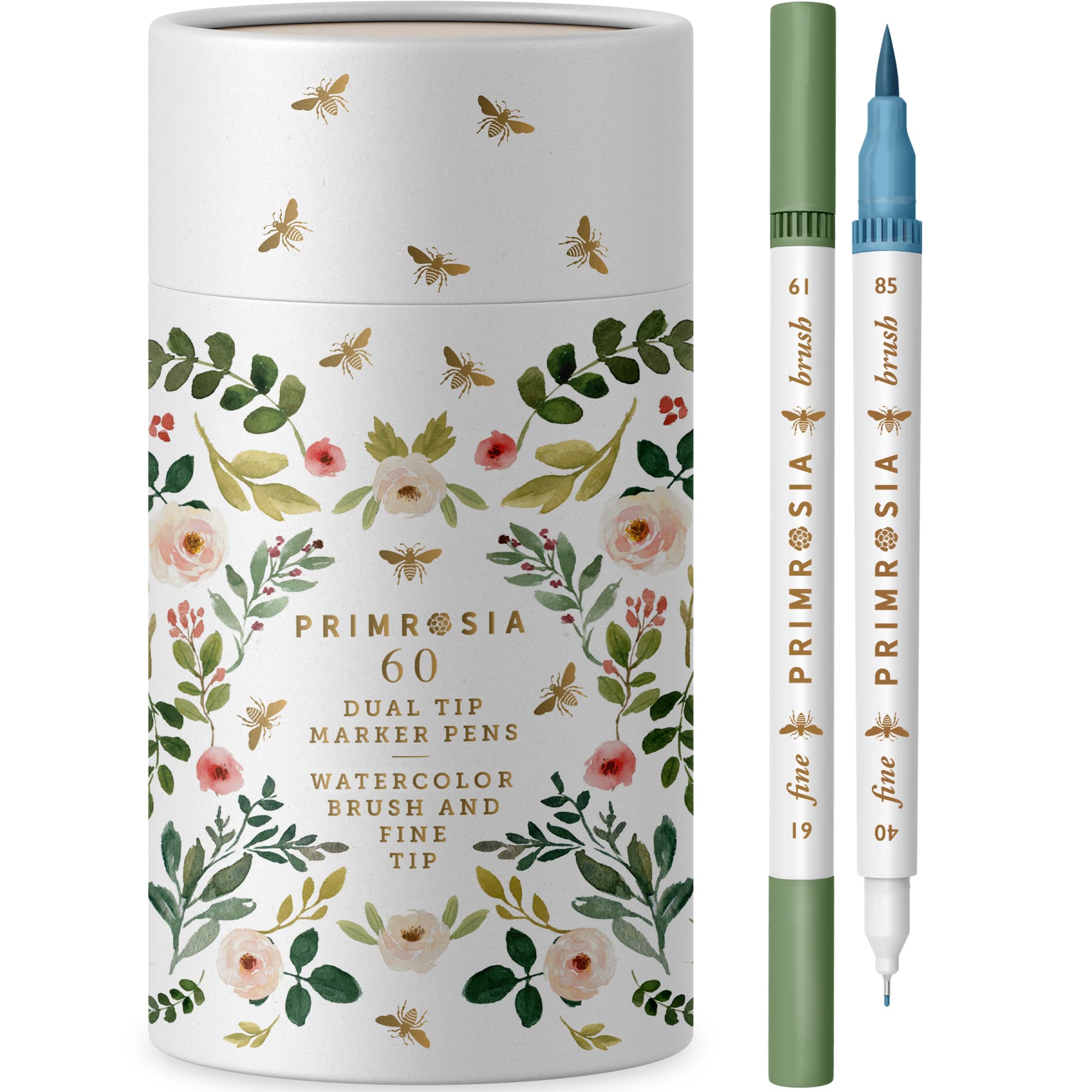
- Each marker pairs a watercolor felt tip brush with a fineliner.
- The fine tip is intended for outlining and detail work.
- The set offers a range of colors for coloring and blending.
Best Gift For: An illustrator or journal artist who likes switching between fine outlines and broad brush marks.
U.S. Art Supply 12-Color Iridescent Acrylic Paint Set
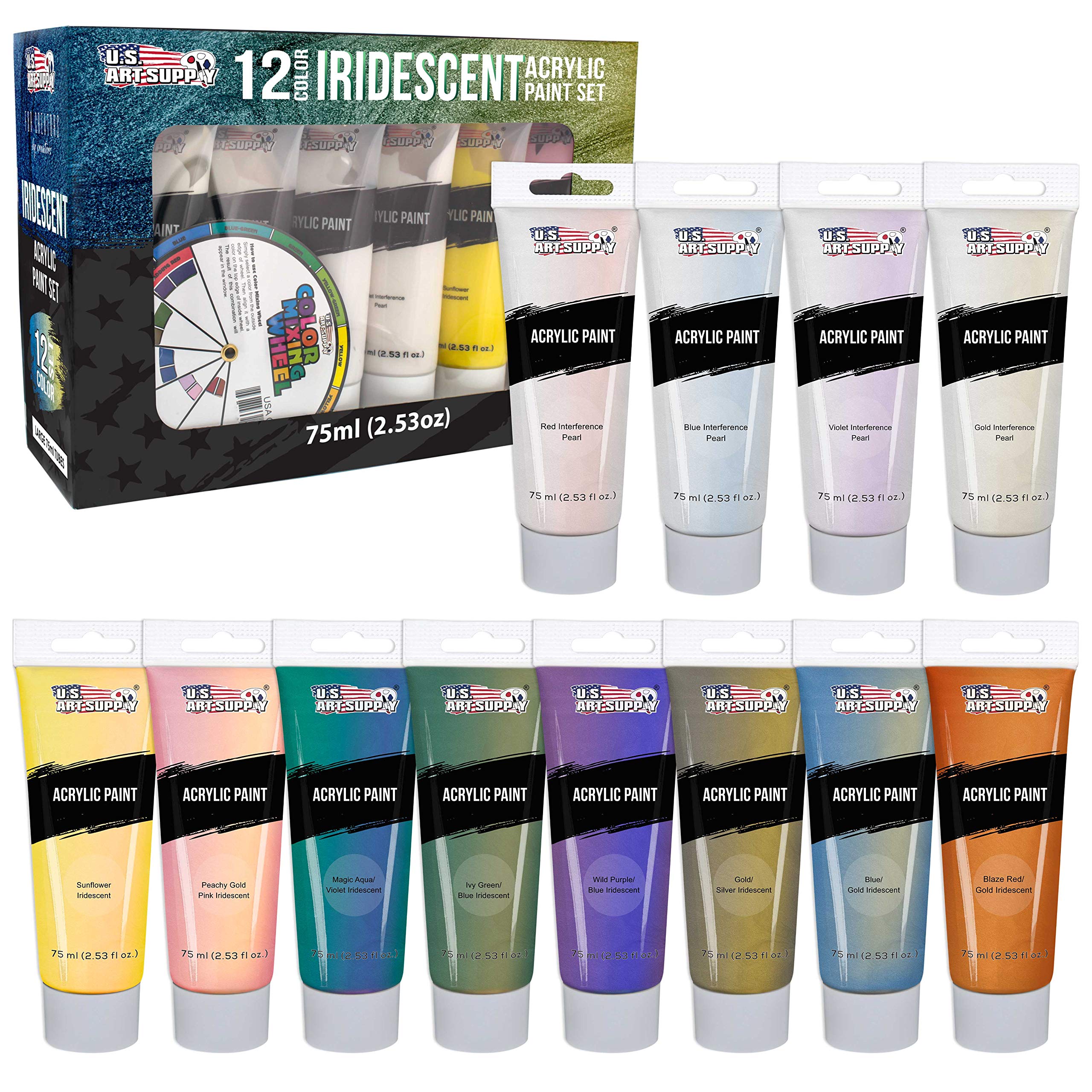
- The acrylics have a shimmering, color-shifting effect.
- They are suited to canvas, wood, fabric, paper and rocks.
- The package includes a color mixing wheel.
Best Gift For: A painter who wants to explore luminous, color-shifting effects in acrylic work.
Mr. Pen Acrylic Paint Brushes Set, 10 Pack
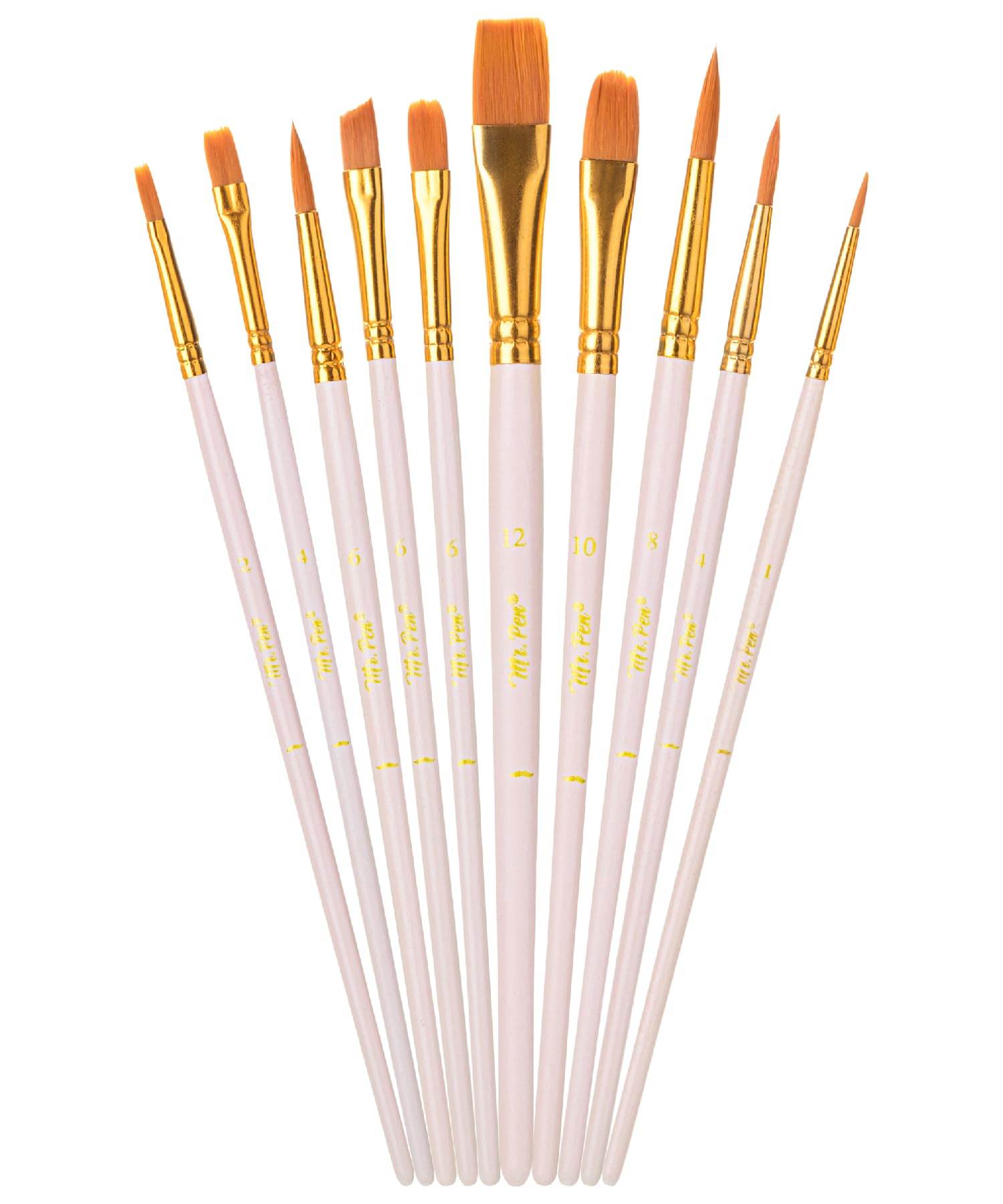
- The set includes assorted brush shapes and sizes for varied marks.
- Brush types include round, flat, filbert and angular tips.
- The synthetic bristles are designed to hold their shape.
Best Gift For: A painter building a brush collection for acrylic, watercolor or craft projects.
U.S. Art Supply Large Beechwood French Easel
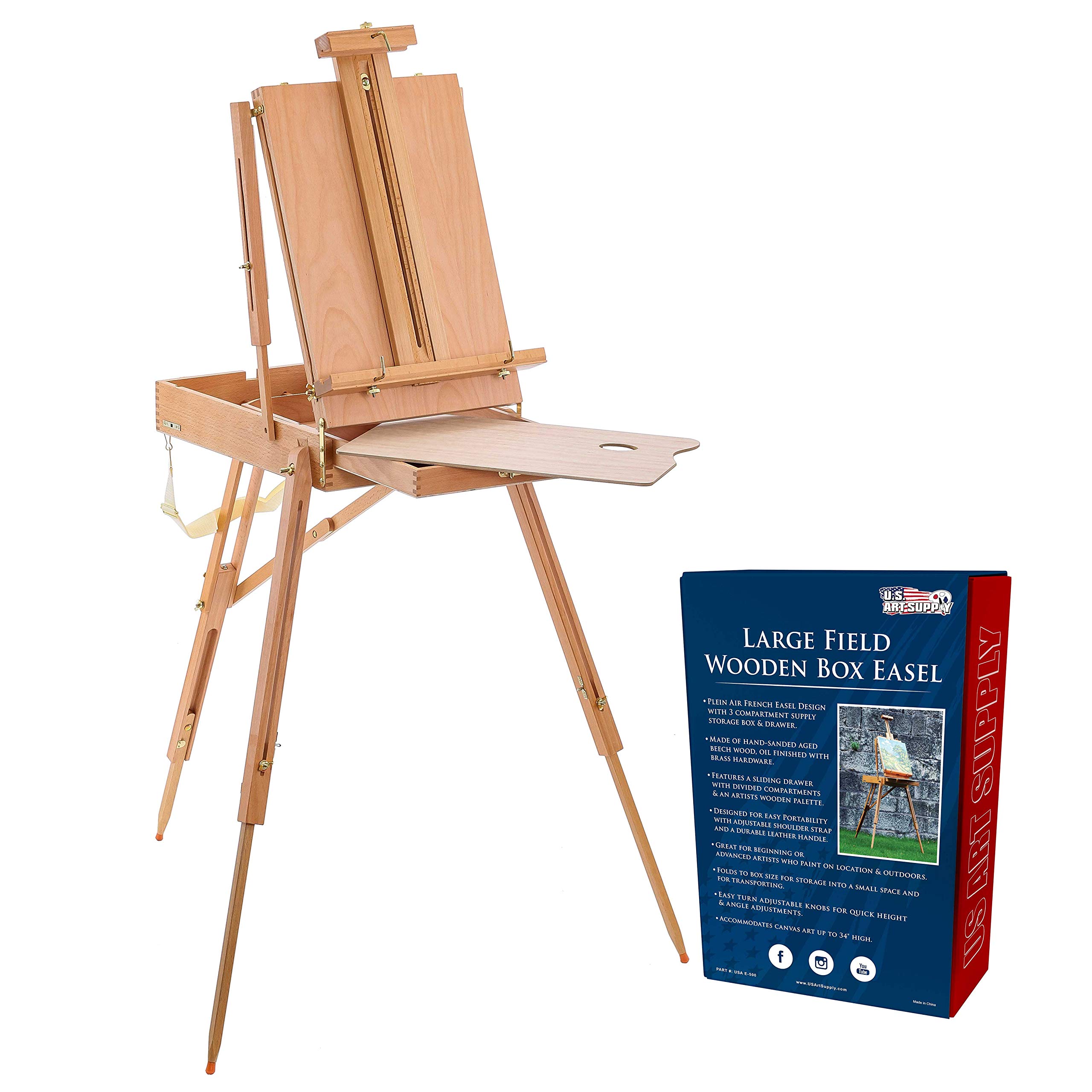
- The sketchbox easel converts to a tripod stand and has a storage drawer.
- It folds compactly and includes a handle and shoulder strap.
- The interior has removable dividers and space for art materials.
Best Gift For: A painter who likes taking a sketchbox easel into the field or setting up in a studio.
U.S. Art Supply X-Large Wooden Drawing Board
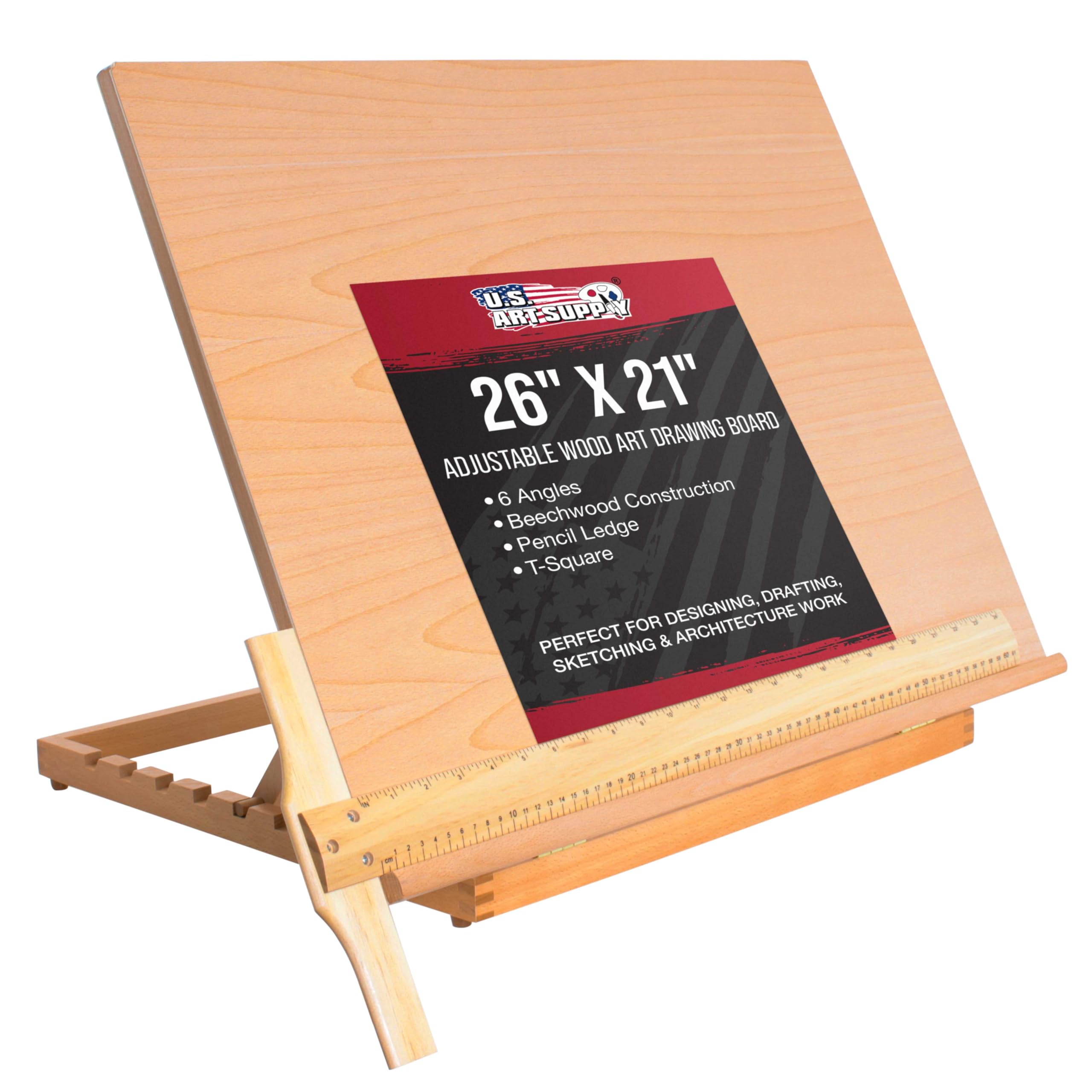
- The board offers six angle positions from flat to upright.
- A pencil ledge keeps tools close at hand.
- It can turn a tabletop into a dedicated creative workspace.
Best Gift For: A home artist, student or designer who wants an adjustable tabletop drawing surface.
U.S. Art Supply 9"x12" Sketch Book, 2-Pack
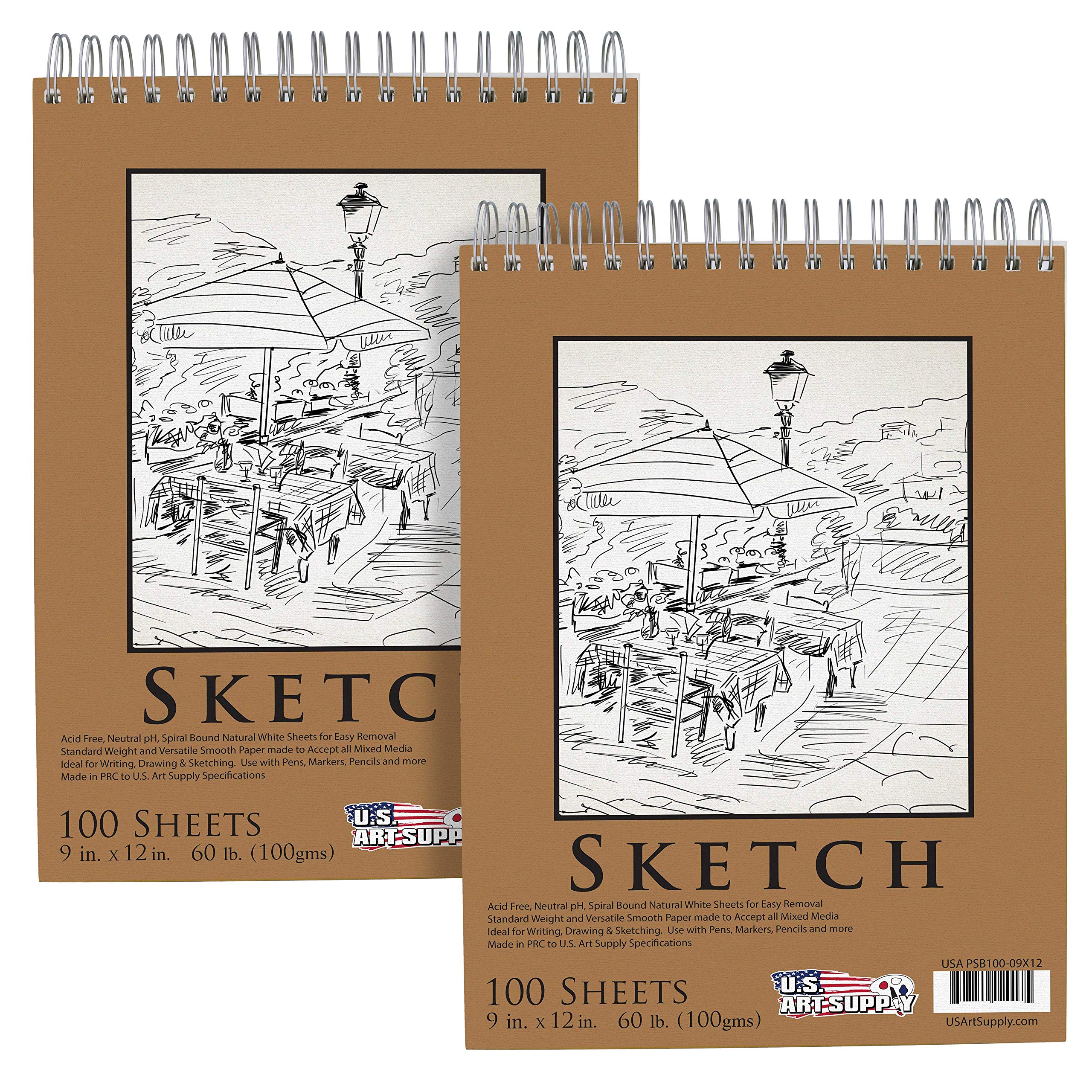
- The gift includes two top spiral-bound sketch pads.
- The paper is acid-free and suitable for many dry media.
- The spiral binding is designed for easy page turning.
Best Gift For: Kids or adults practicing their artistic skills
Clever Fox Dotted Journal 2.0 A5
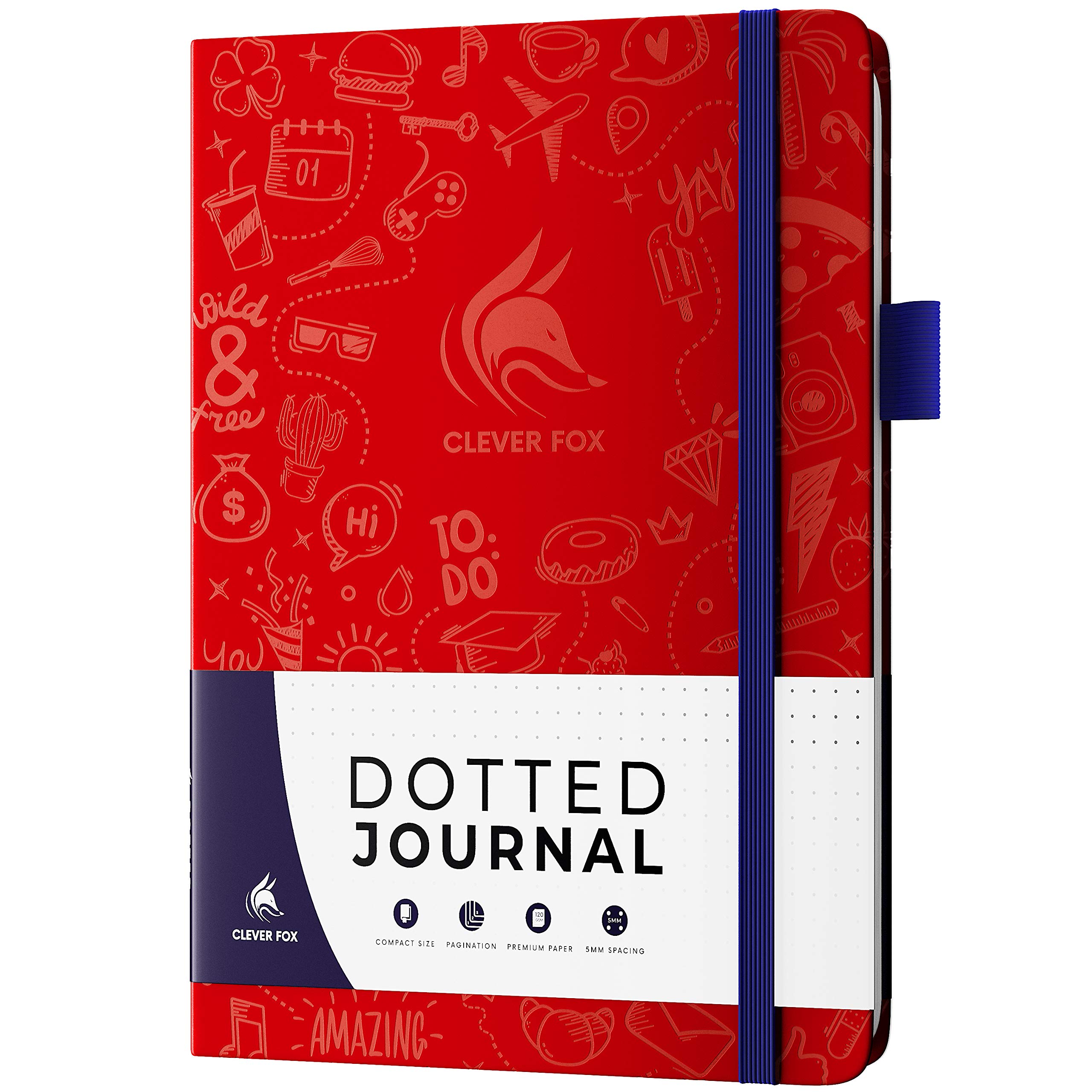
- The notebook has lay-flat binding for comfortable writing.
- It includes a pen loop, ribbon bookmarks and a pocket.
- The dotted pages include a key and index page.
Best Gift For: An artist who likes keeping project plans, writing and sketches together in one notebook.
Elizabeth Ward Bead Storage Tray with 78 Containers
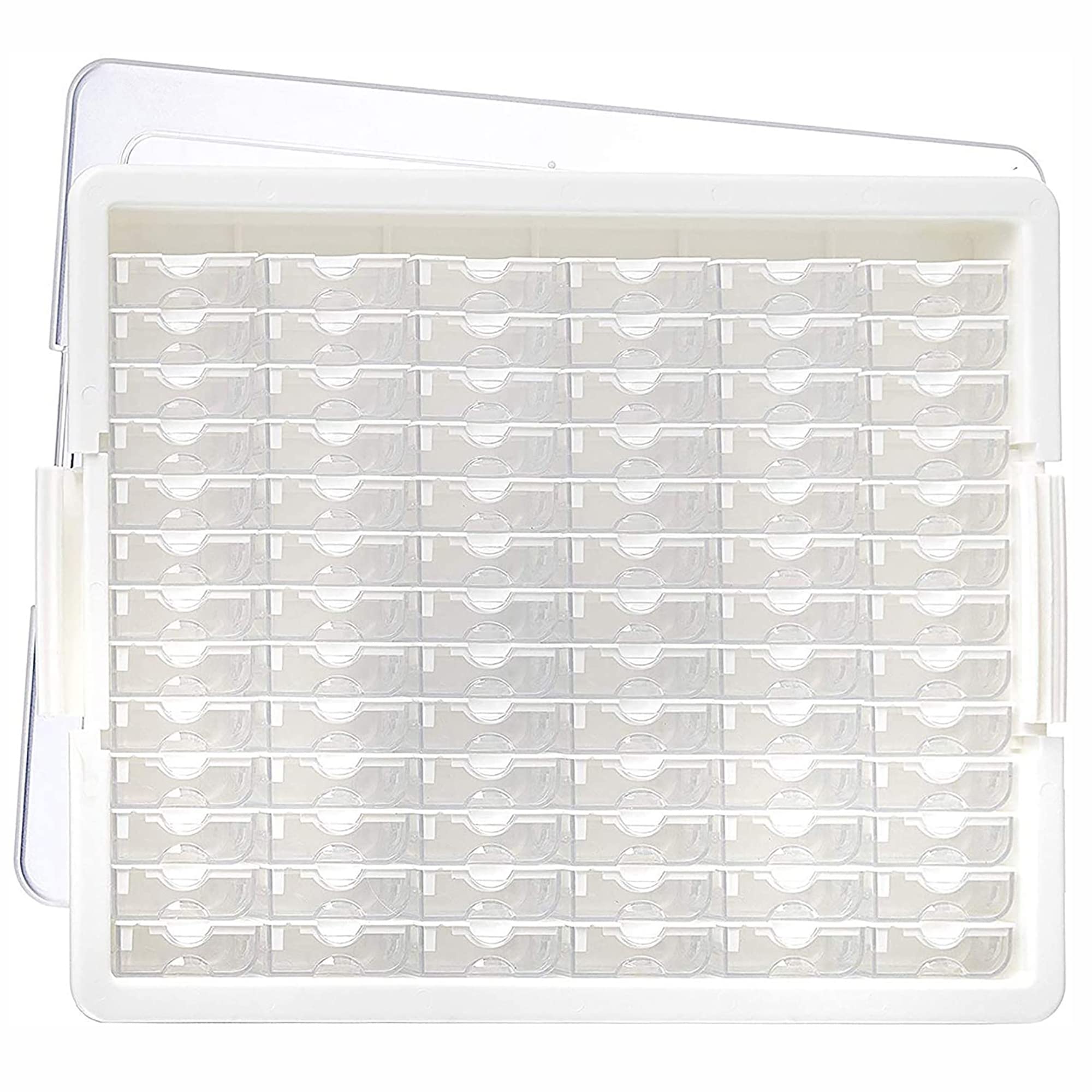
- The tray includes small containers, label sheets and a lid.
- The removable containers suit beads and other small components.
- The clear plastic makes stored supplies visible.
Best Gift For: A jewelry maker or mixed-media artist who sorts small components for projects.
SINGER ProSeries Sewing Scissors Bundle, 3-Piece
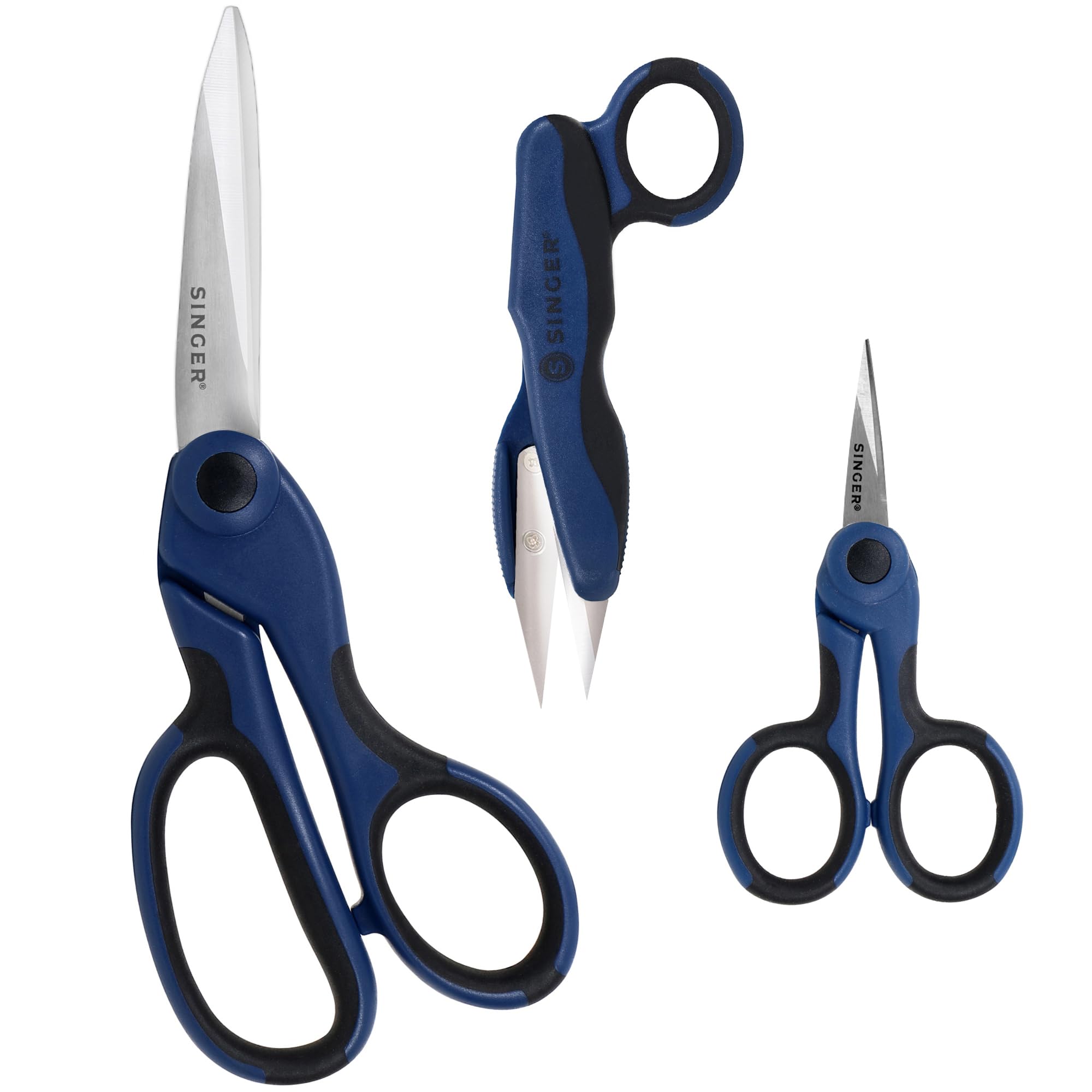
- The bundle combines fabric shears, detail scissors and thread snips.
- The detail scissors are intended for precision tasks such as embroidery and quilting.
- The set's tools have comfort grip handles.
Best Gift For: A textile artist or crafter who works with fabric, embroidery or sewing projects.
10X Rectangle Magnifying Glass with Light
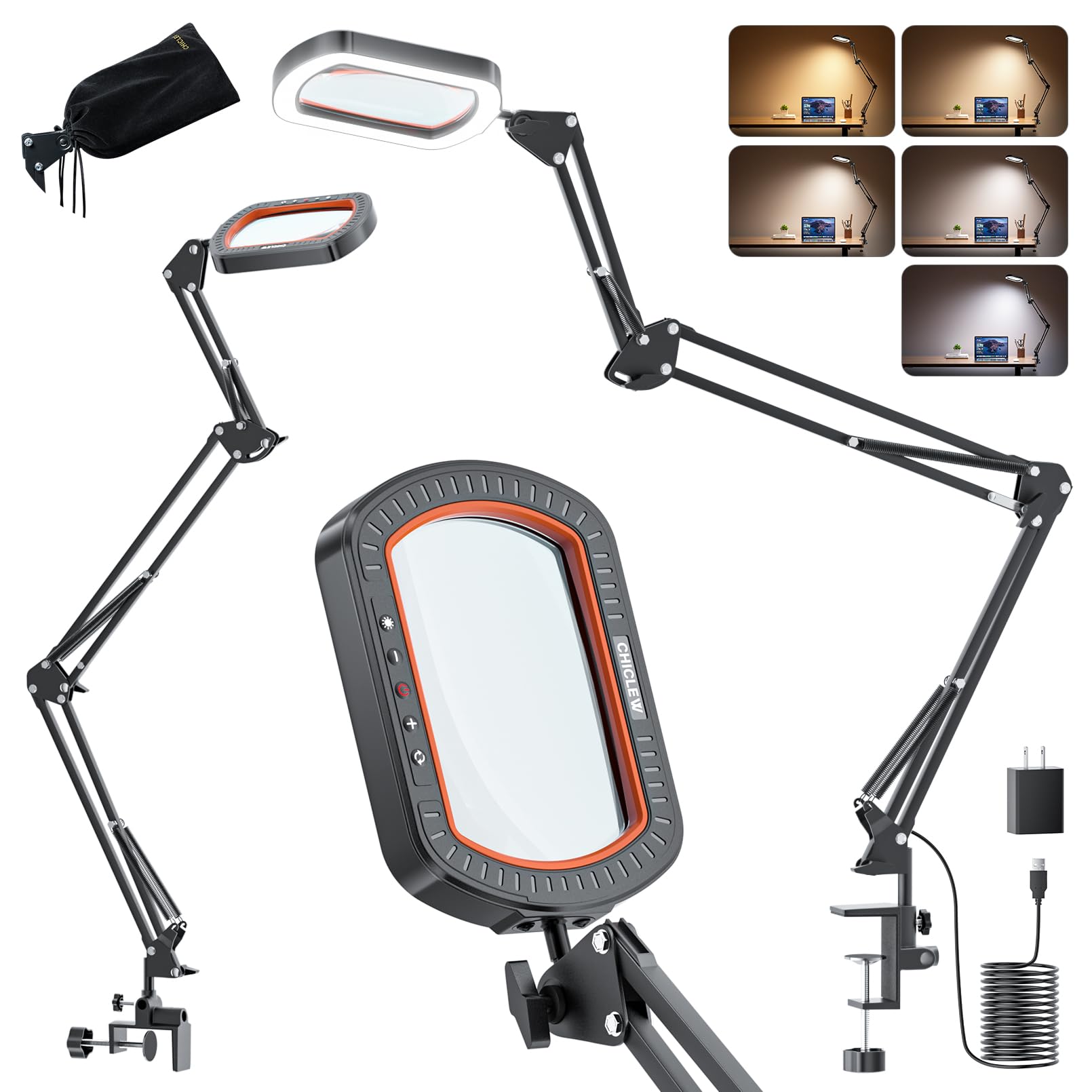
- The rectangular magnifier uses a glass lens.
- The light offers five color modes and adjustable brightness.
- The lamp attaches to a desk or workbench with a clamp.
Best Gift For: An artist who reads small print or works on close, detailed tasks.
Phomemo D30 Mini Bluetooth Label Maker
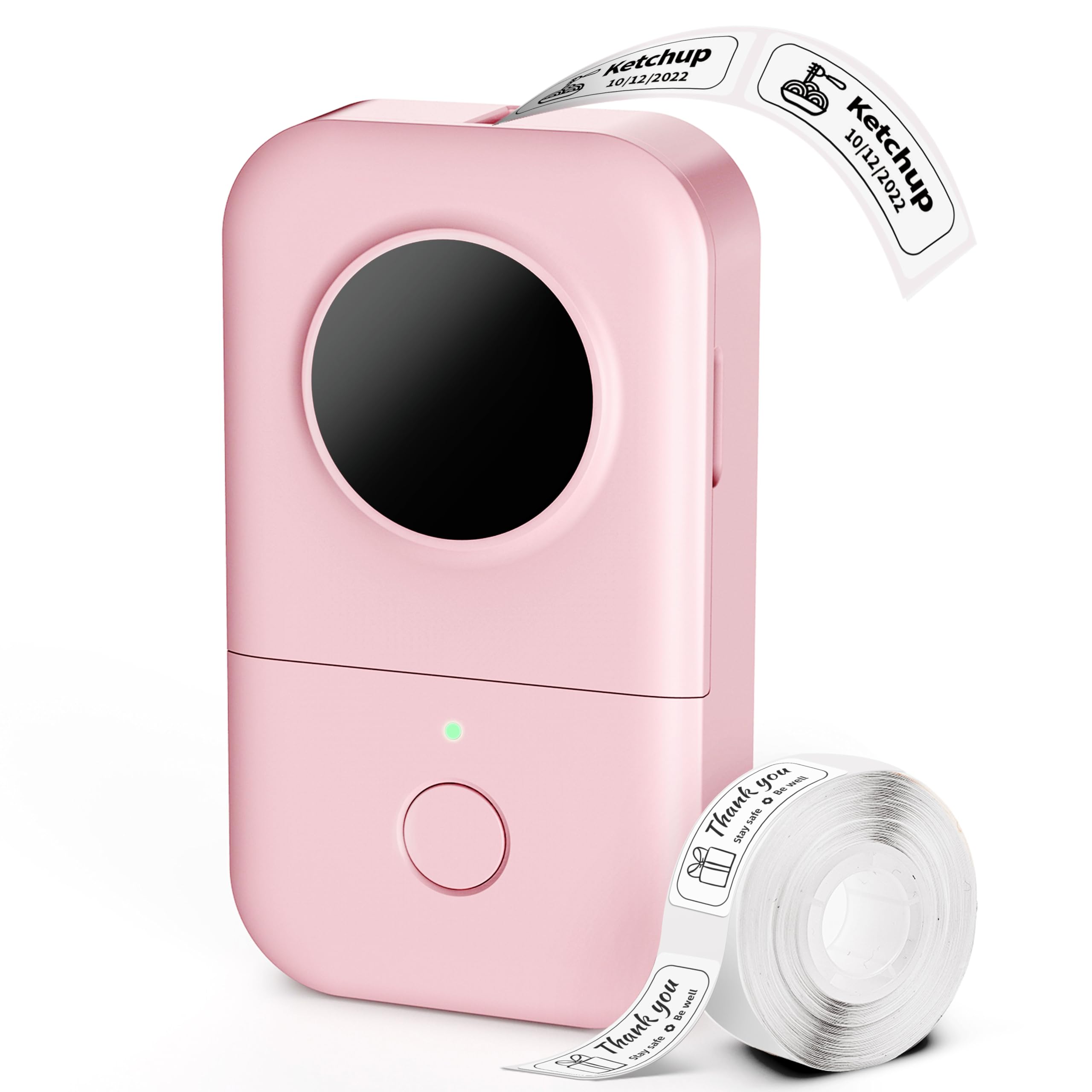
- The printer connects to mobile devices by Bluetooth.
- It supports continuous and gap label tapes.
- The app supports barcode, QR code, Excel import, OCR and voice input.
Best Gift For: An artist or teacher who wants to label supplies, storage bins or project materials.
1. Match gifts for artists to how they work
Choosing gifts for artists starts with noticing where their creative time goes. A beginner who is still sampling materials may value a broad set, while someone with a settled medium may get more use from a focused supply.
Think about whether they draw, paint, make jewelry, work with textiles or combine several practices.
Consider the setting as well as the medium. A compact notebook or a way to sort small parts can suit a shared table or a busy classroom; a larger work surface or easel makes more sense when the recipient has room to set up.
If you are unsure, choose something that complements a habit they already have.
Small clues can guide the choice: a sketchbook that is nearly full, brushes left to dry, or beads stored in mismatched containers. If you cannot see their workspace, ask a friend or family member what they use most.
A practical gift that fits an existing routine is easier to appreciate and put to work.
2. Balance the budget with usefulness
Set a comfortable spending range before choosing, then compare what each option lets the recipient do. Consumable materials can be an easy way to support regular practice, while workspace tools and storage can make recurring sessions more convenient.
The right fit depends on their needs, not on how large the package looks.
For a smaller gesture, a sketching or painting supply can work on its own or alongside a note. A more substantial gift may make sense when several people are contributing, especially if the recipient has mentioned a particular work setup.
Avoid adding extra materials just to make a present feel bigger; choose quality and relevance over volume.
Check actual prices before buying because they can change. Also consider whether the recipient already has similar supplies and whether the item works with their preferred materials.
A well-chosen small gift can feel more personal than a larger purchase that duplicates what is already on their shelf.
3. Personalize gifts for artists thoughtfully
Gifts for artists feel more considered when they reflect the person’s own way of making. Pair a useful tool with a card that mentions a project they are working on, a class they recently started, or a place they like to draw.
Keep the message specific to them rather than making assumptions about what their work should become.
Presentation can help connect the gift to that interest. Wrap a notebook with a handwritten note inside, or use a simple reusable box for a set of materials.
If giving a larger workspace item, include a short message about the room or routine you hope it supports, without implying that they need to change how they work.
For a group gift, coordinate before purchasing so the recipient does not receive duplicates. You can also pair a practical item with a small personal touch, such as a note from each contributor or a gift receipt.
Those details leave the artist free to choose how and when to use it.
4. Choose gifts for artists with a clear budget
A budget is easier to manage when you decide whether the gift is meant to be a small thank-you, a birthday present or a shared occasion. For a modest budget, choose one item that clearly suits the recipient’s medium.
For a bigger contribution, consider a tool that supports a regular practice or improves their working setup.
Think about the full cost of using the gift. Some supplies may call for compatible paper or materials they already own; storage needs the recipient to have small items worth organizing.
Check current product details and compatibility before ordering, and confirm that the item’s dimensions fit the recipient’s space if it is a board, easel or organizer.
Last-minute decisions can make budget discipline harder. Decide the maximum you are comfortable spending, then check current prices and delivery estimates before checkout.
If the best-fitting item cannot arrive in time, a thoughtfully written card explaining the planned gift can preserve the occasion without requiring a rushed substitute.
5. Last-minute buying and presentation
When time is short, favor a gift whose purpose is clear and whose fit is easy to assess. Familiar supplies can be a sensible choice if you know the person uses them; an unfamiliar tool may require more research.
Check the exact version, contents, compatibility and dimensions, especially when the recipient has a specific practice or limited workspace.
Review delivery estimates and seller information close to purchase, since timing and availability can change. If the arrival date is uncertain, prepare a card with a printed image or a simple drawing of the intended gift.
That gives the recipient something thoughtful to open while setting a realistic expectation about when the item may arrive.
Finish with a note that names what made you think of them: their sketching habit, a color they enjoy, or the care they bring to small details. Keep wrapping practical for the item’s shape and avoid elaborate packaging that creates extra work.
A clear, personal message helps a useful present feel made for its recipient.