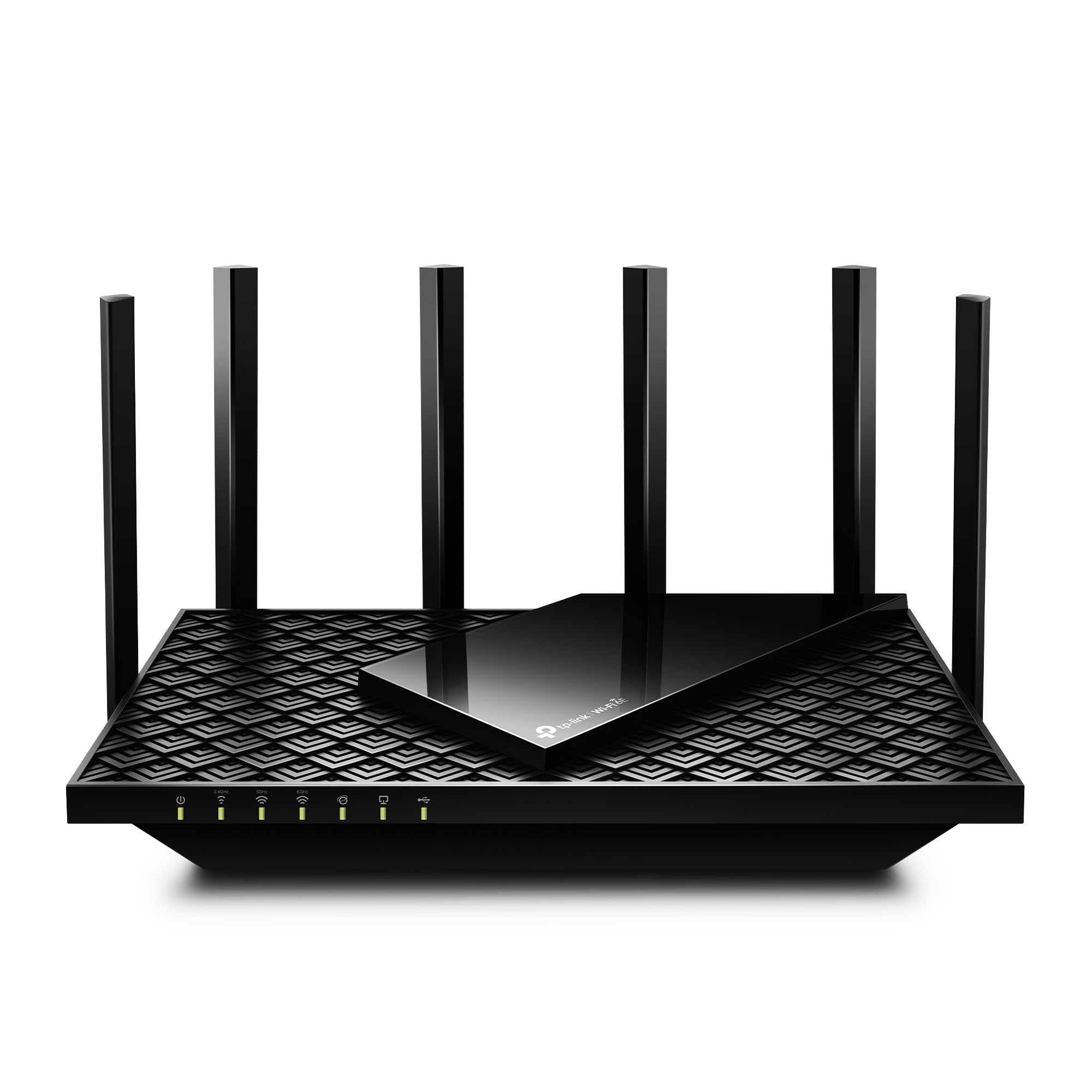
The TP-Link Archer AXE75 pairs Wi-Fi 6E’s 6 GHz band with two familiar Wi-Fi bands and features aimed at homes with many connected devices.
This tp link axe5400 review looks at where that mix helps, and what to consider before choosing it.
Archer AXE75 Review Summary
The quick verdict
5,000+ ratings
Read Amazon ReviewsTP-Link Archer AXE75
A fit for households seeking a 6 GHz band, tri-band capacity, VPN options, and OneMesh extender support in one router.
- Tri-band Wi-Fi 6E with combined speeds up to 5,400 Mbps: up to 2,402 Mbps on 6 GHz, 2,402 Mbps on 5 GHz, and 574 Mbps on 2.4 GHz.
- The 6 GHz band is designed to add bandwidth for compatible devices, with a focus on responsive gaming and video calls.
- OFDMA and tri-band operation are designed to increase capacity for simultaneous transmissions to multiple devices.
- A 1.0 GHz dual-core CPU and 512 MB of high-speed memory support router processing.

Pros
- Includes a dedicated 6 GHz band alongside 5 GHz and 2.4 GHz.
- Offers a high combined Wi-Fi speed ceiling and features intended for multiple simultaneous connections.
Consider before buying
- The 6 GHz band is useful only with compatible devices, so older equipment may not benefit from it.
- The maximum combined speed is a theoretical headline across bands, not a speed any single device should expect.
Read the full review summary
The Archer AXE75 is a tri-band router with up to 5,400 Mbps combined Wi-Fi speeds across 6 GHz, 5 GHz, and 2.4 GHz.
Its 6 GHz band can give compatible devices another band to use, while OFDMA is designed to help the router serve multiple devices at once. A dual-core processor and 512 MB of memory round out the hardware.
It suits buyers who want Wi-Fi 6E, use compatible newer devices, or value VPN client and server support. OneMesh extender compatibility offers a route to expand coverage within that system.
The router requires a modem for most internet providers, so check your current equipment and your devices’ Wi-Fi support before deciding.
The buying factors
Archer AXE75 Scorecard
Editorial scores reflect listed features and buyer fit; they are not laboratory measurements or customer ratings.
Tri-band flexibility
Three bands, including 6 GHz, give compatible devices additional connection options.
Multi-device features
OFDMA and the tri-band design are intended to increase capacity for simultaneous use.
Wi-Fi 6E appeal
The 6 GHz band is a useful draw for households with compatible devices.
Wired internet headroom
A 2.5 Gbps WAN port can suit faster internet plans, subject to the modem and service.
Network controls
VPN client and server support, basic parental controls, and basic network security tools add useful options.
Coverage expansion
OneMesh extender support provides a compatible way to extend a home network.
Key Features and Specifications of Archer AXE75
- Tri-band Wi-Fi 6E with combined speeds up to 5,400 Mbps: up to 2,402 Mbps on 6 GHz, 2,402 Mbps on 5 GHz, and 574 Mbps on 2.4 GHz.
- The 6 GHz band is designed to add bandwidth for compatible devices, with a focus on responsive gaming and video calls.
- OFDMA and tri-band operation are designed to increase capacity for simultaneous transmissions to multiple devices.
- A 1.0 GHz dual-core CPU and 512 MB of high-speed memory support router processing.
- A 2.5 Gbps WAN port provides a faster wired connection option when paired with suitable internet service and modem equipment.
- Supports VPN client and server functions with OpenVPN, PPTP, and L2TP options.
- OneMesh extender compatibility can be used to build a broader network, while HomeShield includes basic security, parental controls, QoS, and usage reports.
Pros and Cons of Archer AXE75
Pros
- Includes a dedicated 6 GHz band alongside 5 GHz and 2.4 GHz.
- Offers a high combined Wi-Fi speed ceiling and features intended for multiple simultaneous connections.
- VPN client and server support can simplify VPN use across a home network.
- OneMesh compatibility gives buyers an option for extending coverage with a compatible TP-Link extender.
- Basic HomeShield tools include security scanning, IoT device identification, parental controls, QoS, and reports.
Consider before buying
- The 6 GHz band is useful only with compatible devices, so older equipment may not benefit from it.
- The maximum combined speed is a theoretical headline across bands, not a speed any single device should expect.
- Most internet providers require a separate modem, which may add an equipment step or cost.
- Extending the network through OneMesh depends on adding a compatible extender.
Who Should Buy Archer AXE75?
Good fit
Consider the Archer AXE75 if you have Wi-Fi 6E devices and want a tri-band router that can assign traffic across 6 GHz, 5 GHz, and 2.4 GHz.
The added band is most relevant when your household has newer phones, computers, or other devices that support Wi-Fi 6E; older devices can still use the other bands.
It is also a reasonable fit if you want VPN client or server options built into the router, or expect to expand coverage with a compatible OneMesh extender.
Before buying, confirm whether your internet plan and modem can make use of the 2.5 Gbps WAN port, and whether your devices support 6 GHz.
Who should skip it
Skip it if your devices do not support Wi-Fi 6E and you have no specific need for tri-band operation, VPN features, or OneMesh expansion. In that case, the AXE75’s main distinctions may not improve your day-to-day setup.
It may not fit if you need a router with more documented wired multi-gig ports or want a Wi-Fi 7 system. Check the ports and wireless generation required by your existing equipment before choosing.
What the Archer AXE75’s Wi-Fi 6E design means
The 6 GHz band depends on your devices
Wi-Fi 6E adds the 6 GHz band to the router’s 5 GHz and 2.4 GHz options. That extra band is most useful when the devices you care about support it; it does not automatically make older clients faster.
Check your device specifications if access to 6 GHz is a key reason for buying.
Tri-band capacity is about sharing traffic
The router’s combined speed ceiling spans three bands, and the product highlights OFDMA for simultaneous transmission to more devices.
These features may help a busy home distribute connections, but actual results depend on client capabilities, distance, interference, and internet service. Treat the aggregate figure as a system maximum rather than a per-device promise.
The WAN port and modem work together
A 2.5 Gbps WAN port gives the router a faster incoming wired connection option than a standard gigabit port.
To use that headroom, the internet plan and modem must also support a suitable connection; the port alone cannot raise the speed supplied by the provider.
VPN and extender options add flexibility
VPN client and server support can provide network-level VPN choices, with OpenVPN, PPTP, and L2TP listed as supported protocols. OneMesh compatibility is useful if you plan to expand using a compatible TP-Link extender.
Buyers should check that their preferred VPN setup and extender are compatible before relying on those features.
Alternatives to Archer AXE75
Computer Routers alternative
1,000+ ratings
Read Amazon ReviewsTP-Link Archer BE230
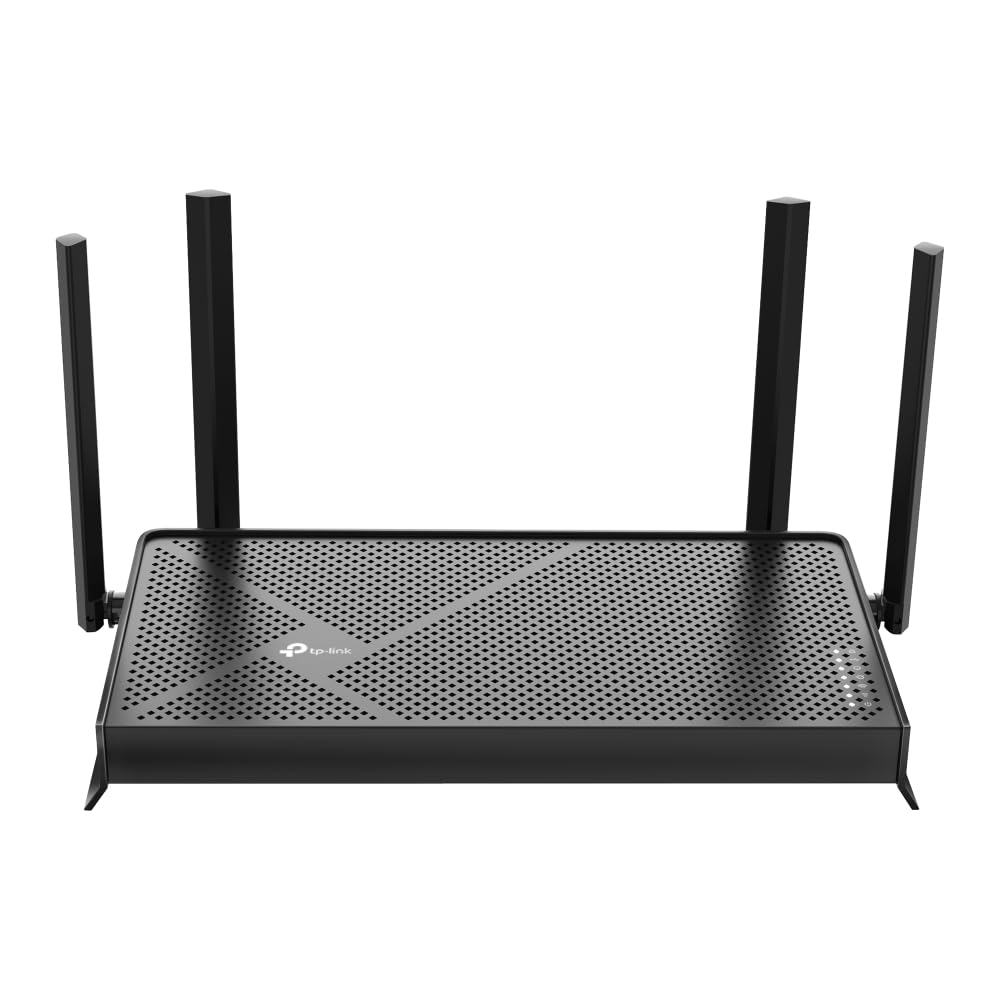
Choose the AXE75 if 6 GHz access and tri-band Wi-Fi 6E are priorities. Consider the BE230 if you prefer Wi-Fi 7 and its listed wired ports or USB connection, and do not need a 6 GHz band.
- The Archer BE230 uses dual-band Wi-Fi 7, has two 2.5 Gbps ports plus three 1 Gbps LAN ports, and includes USB 3.0 and EasyMesh support.
- Its described wireless speeds are up to 2,882 Mbps on 5 GHz and 688 Mbps on 2.4 GHz; it does not support 6 GHz.
- The Archer AXE75 provides three Wi-Fi bands, including 6 GHz, and supports Wi-Fi 6E.
Computer Routers alternative
600+ ratings
Read Amazon ReviewsTP-Link Archer BE600
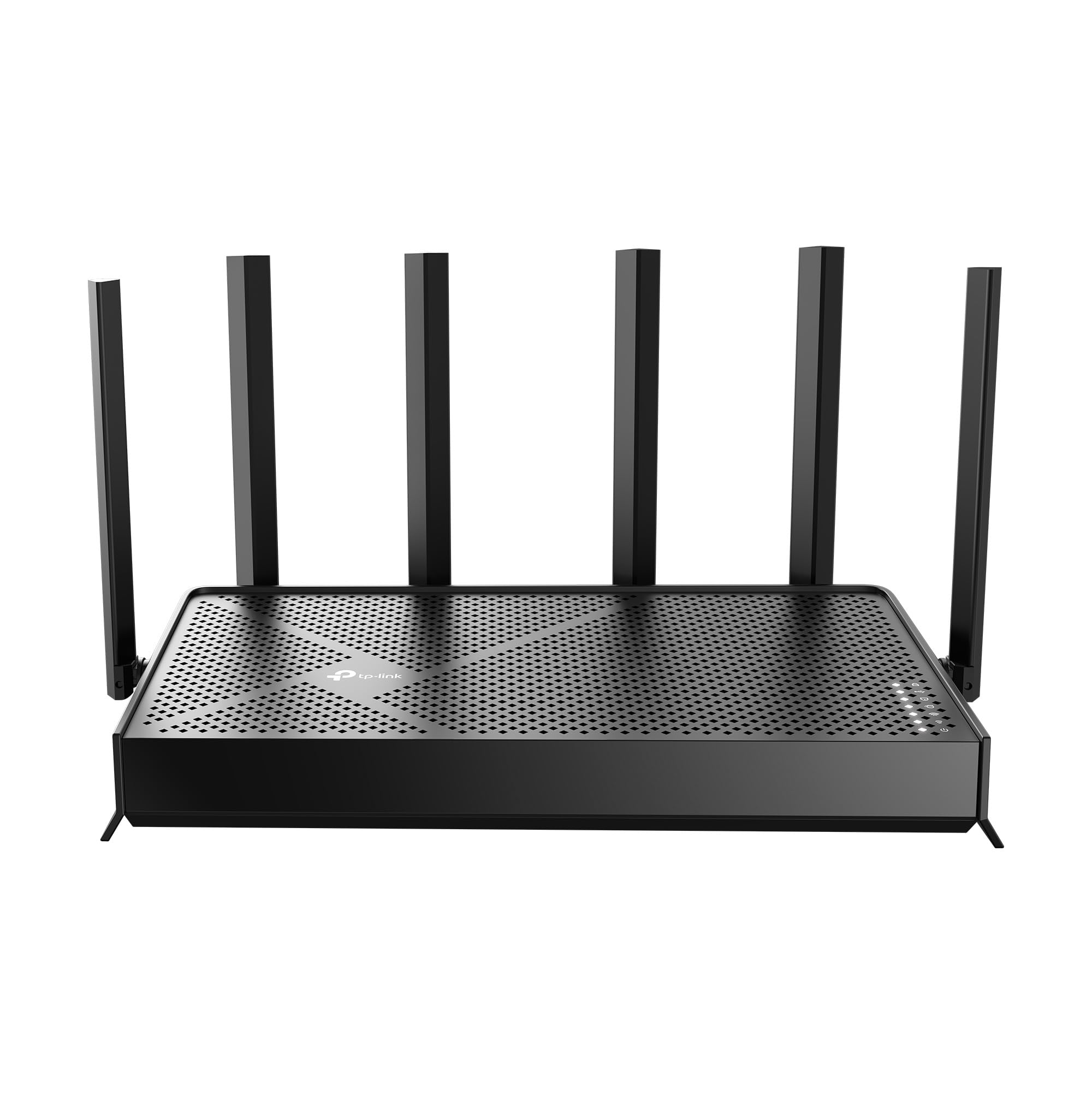
The AXE75 is the more straightforward fit if Wi-Fi 6E meets your needs and you want its VPN and OneMesh features.
The BE600 is worth considering for a Wi-Fi 7 setup with multiple multi-gig wired connections, provided its larger feature set fits your budget.
- The Archer BE600 is a tri-band Wi-Fi 7 model with a 10 Gbps WAN/LAN port, a 2.5 Gbps WAN/LAN port, and three 2.5 Gbps LAN ports.
- It lists up to 5,765 Mbps on 6 GHz and coverage up to 2,600 square feet for up to 120 devices.
- The Archer AXE75 is a Wi-Fi 6E router with a 2.5 Gbps WAN port and OneMesh extender support.
Is Archer AXE75 Worth It?
The TP-Link Archer AXE75 is worth considering for a home that can use Wi-Fi 6E, especially if tri-band connectivity, VPN options, or OneMesh expansion matter to you.
Its 6 GHz band and 2.5 Gbps WAN port give it useful flexibility, but both depend on compatible devices and supporting internet equipment.
Before choosing, check your clients’ Wi-Fi standards, modem, service speed, and plans for extending coverage.
If those line up with the AXE75’s design, it is a capable feature mix for a connected household; if they do not, much of its added flexibility may go unused.
Your review at a glance
5,000+ ratings
Read Amazon ReviewsTP-Link Archer AXE75
A fit for households seeking a 6 GHz band, tri-band capacity, VPN options, and OneMesh extender support in one router.
- Tri-band Wi-Fi 6E with combined speeds up to 5,400 Mbps: up to 2,402 Mbps on 6 GHz, 2,402 Mbps on 5 GHz, and 574 Mbps on 2.4 GHz.
- The 6 GHz band is designed to add bandwidth for compatible devices, with a focus on responsive gaming and video calls.
- OFDMA and tri-band operation are designed to increase capacity for simultaneous transmissions to multiple devices.
- A 1.0 GHz dual-core CPU and 512 MB of high-speed memory support router processing.